

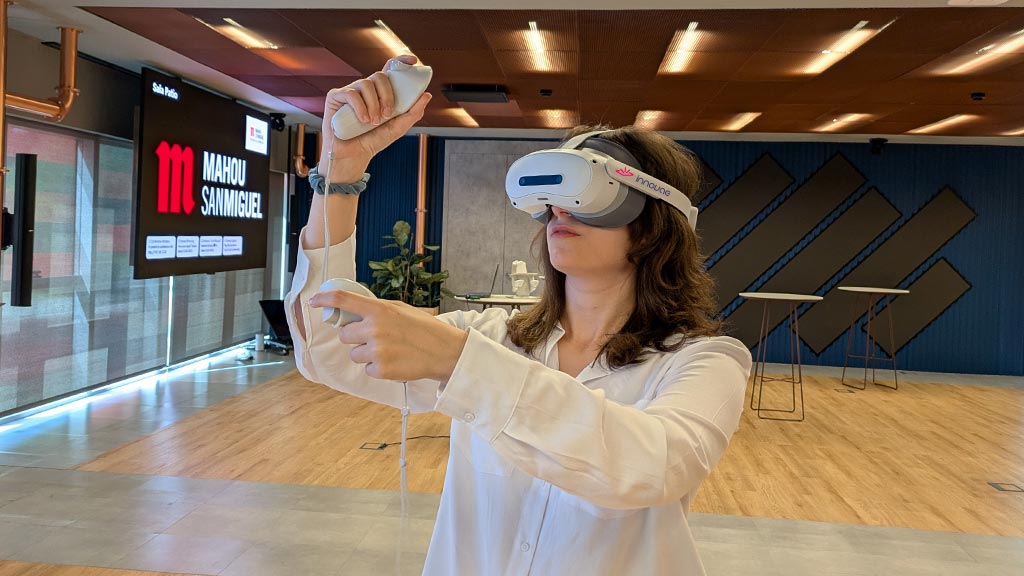
As part of the Innovation Projects promoted by the Spanish Ministry of Education, Vocational Training and Sports, the project “Virtual Brewmaster: Symphony of Flavours and Craft Knowledge in 3D” was launched to bring brewing culture closer to Vocational Education through immersive learning technologies.
The project brought together Fundación Mahou San Miguel and four VET centres: CIFP Nº1 de Guadalajara, as coordinating institution, CIFP Nº1 de Cuenca, CIFP Simone Ortega, and CIFP Hostelería LHII.
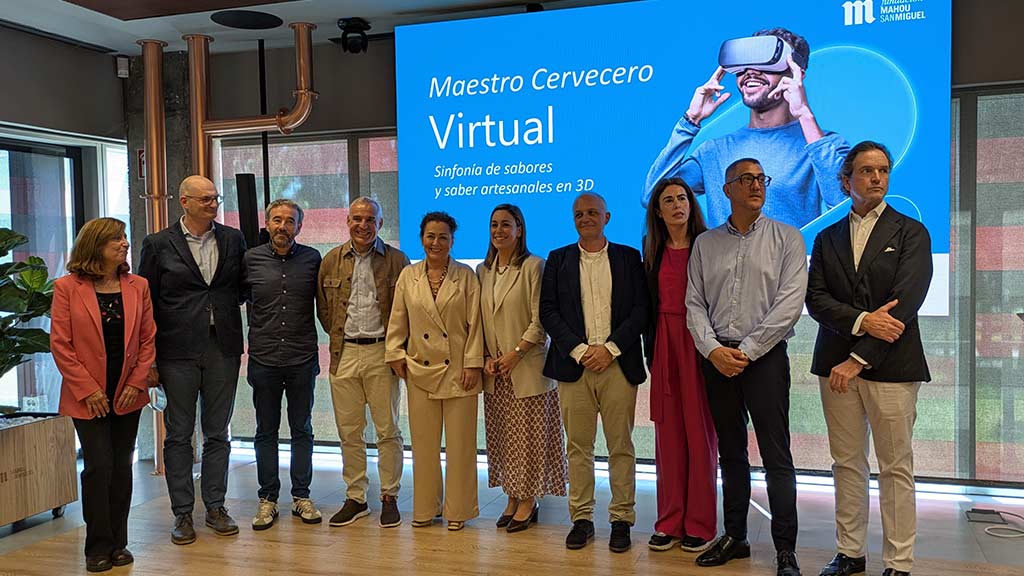
Rosa Delia Hernández, director of CIFP San Cristóbal; Manuel Hermo Piñeiro, director of CIFP Carlos Oroza; Iñaki Armentia, director of the Gamarra Hospitality School; Francisco Javier García Ortiz, director of CIFP Simone Ortega; Esther Monterrubio, Secretary General for Vocational Education and Training at the Spanish Ministry of Education, Vocational Training and Sport; Virginia Luca de Tena Sanguino, director of the Mahou San Miguel Foundation; Jaime García Recuenco, CEO of VRFP; María Teresa Asensio, director of CIFP Nº1 of Guadalajara; Samuel Fernández Blanco, director of CIFP Nº1 of Cuenca; and Eduardo Petrossi, CEO of Mahou San Miguel, during the presentation of the “Virtual Brewmaster” project.
The technological development of the simulator was led by VRFP, a company of our group specialised in virtual reality training simulators for the education sector. Our role focused on transferring the processes, environments, and technical knowledge related to brewing culture into an immersive virtual environment, creating a realistic learning experience.
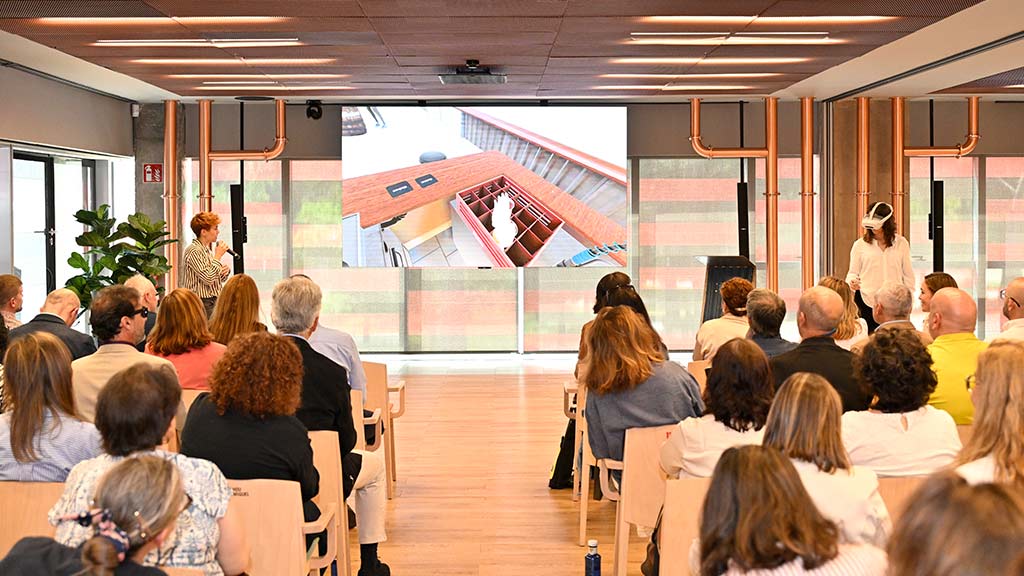
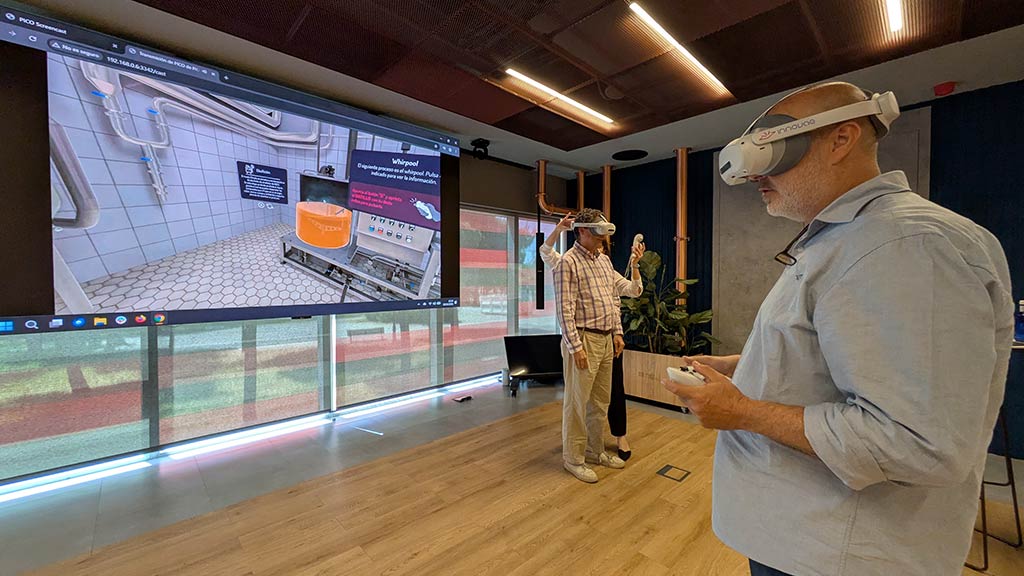
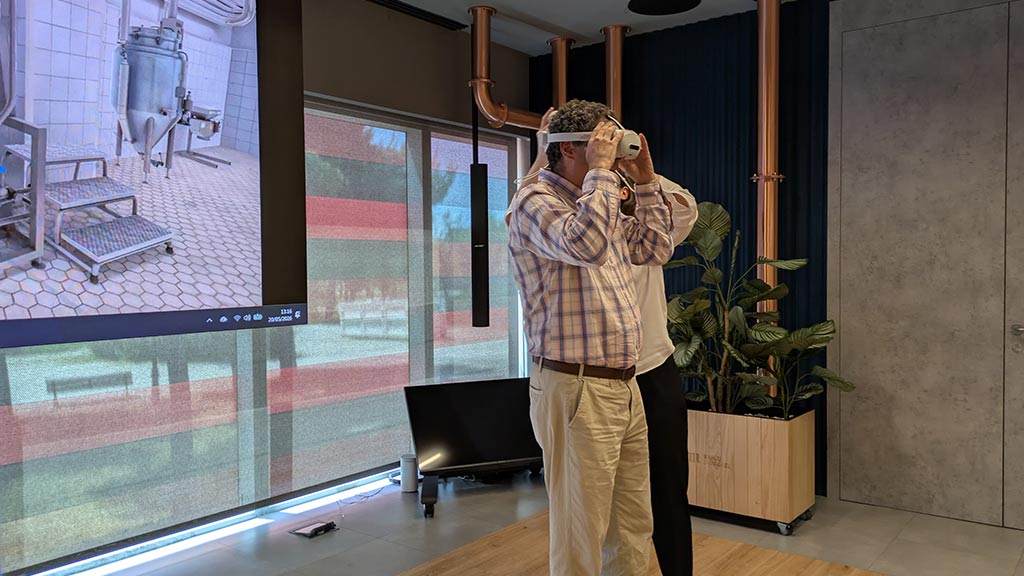
A solution co-developed with and for Vocational Education Centres
The participation of both educational institutions and industry professionals ensured that the simulator was developed as a practical and classroom-oriented solution aligned with the competencies taught in Vocational Education and Training.
During the official presentation, Esther Monterrubio, General Secretary for Vocational Education and Training at the Spanish Ministry of Education, Vocational Training and Sports, emphasised the role of innovation and collaborative learning in the evolution of VET: “This project represents a very real way of understanding innovation in Vocational Education and Training: building on the sector’s real knowledge together with the sector itself, transforming it into a rigorous learning experience, and placing it at the service of education.”
The simulator licence has also been shared with additional VET centres, helping extend the initiative beyond the initial consortium. The licences were presented to Inmaculada Gallego, Director of CIFP Ciudad de Zamora; Manuel Hermo, Director of CIFP Carlos Oroza; Rosa Delia Hernández, Director of CIFP San Cristóbal; Miguel Ángel del Corral, Director of the Hospitality and Tourism School of Alcalá de Henares; José Luis González Rubio, Director of the Hospitality and Tourism School of Madrid; and Luis Ángel Corrales, Director of IES Universidad Laboral de Toledo.
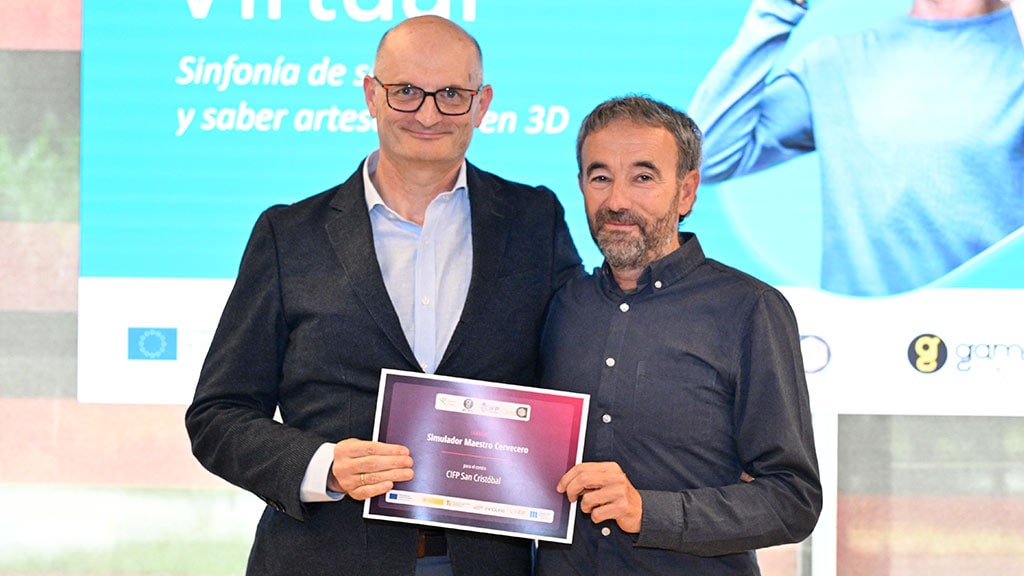
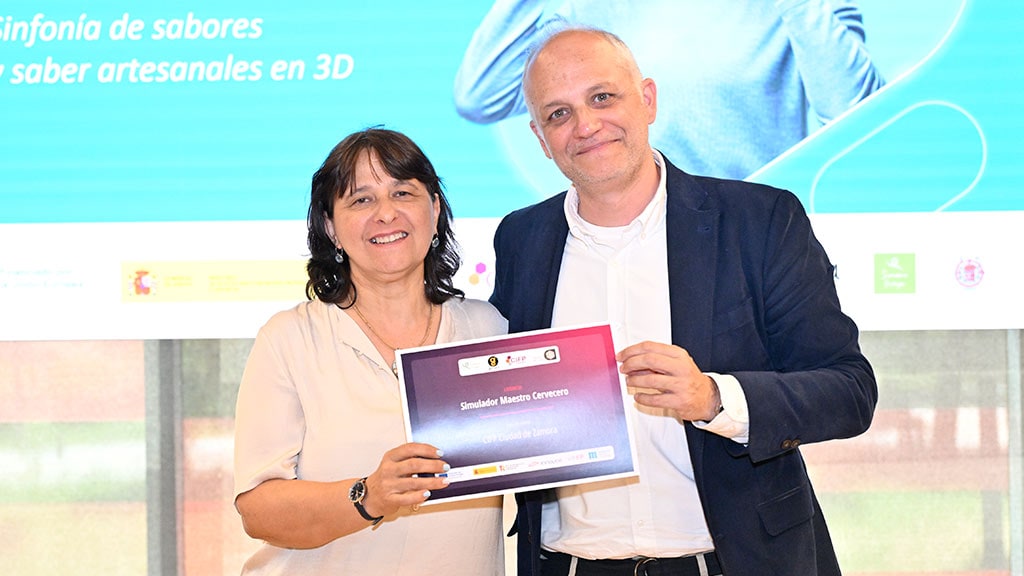
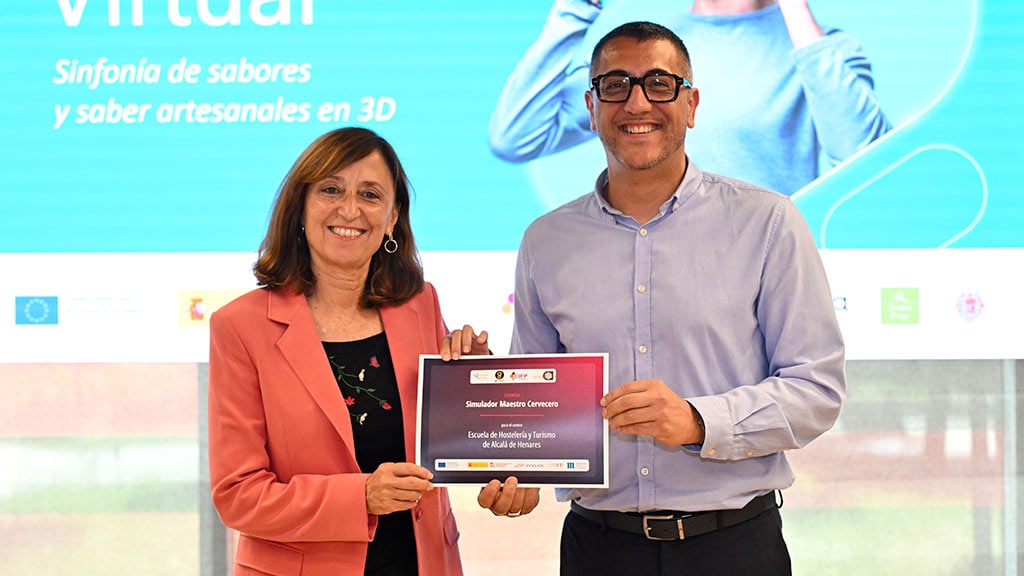
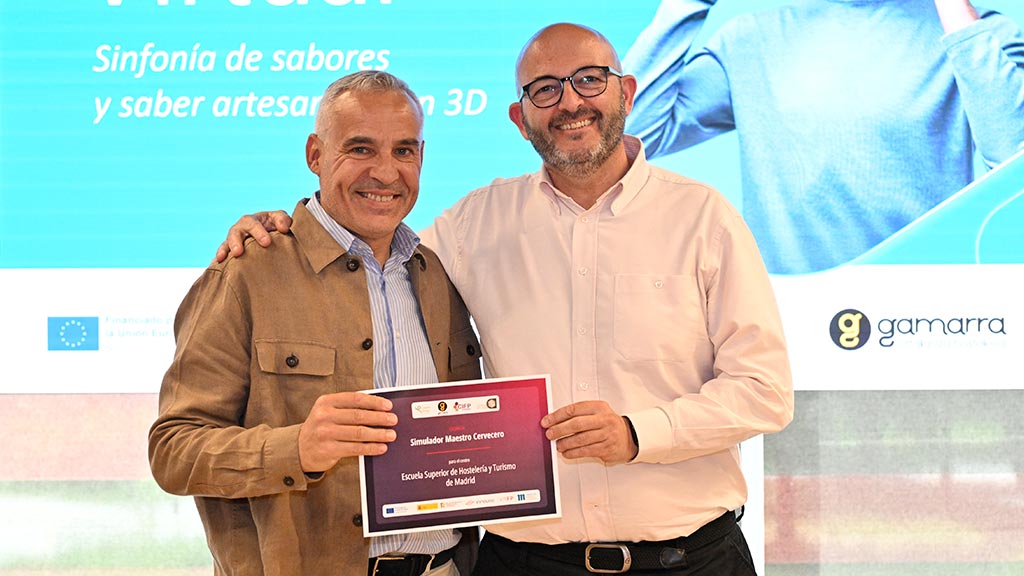
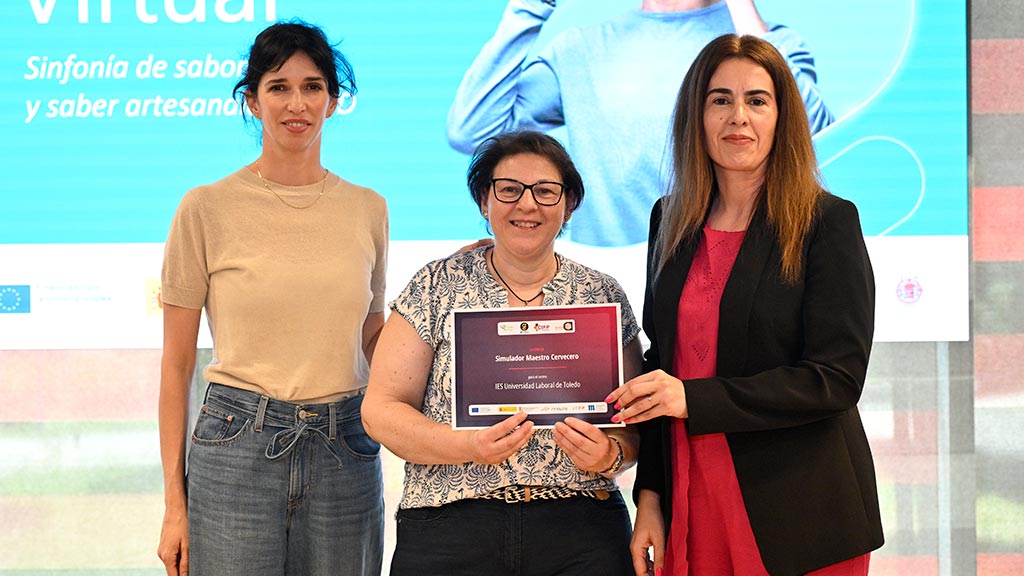
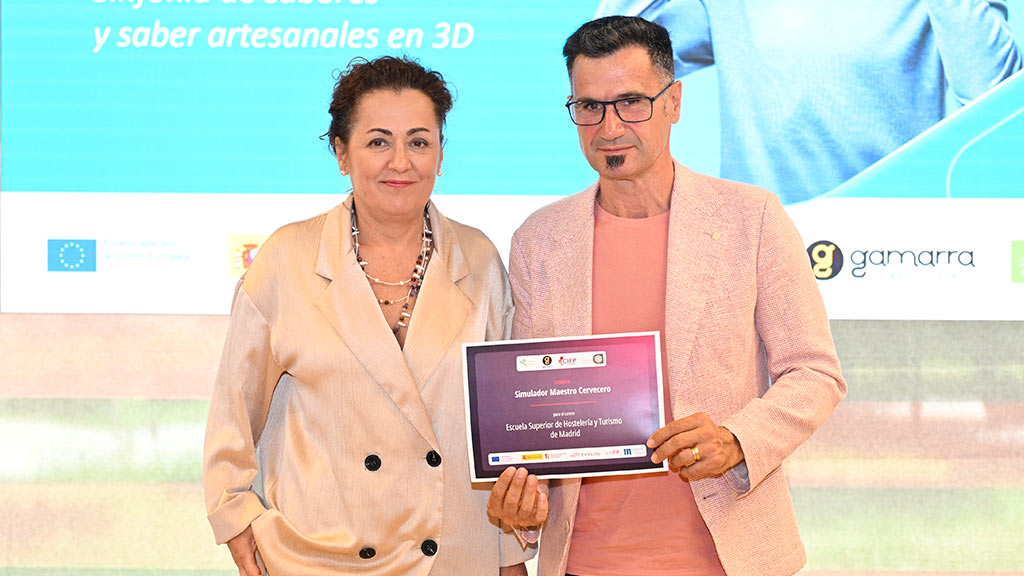
As a result, more educational institutions, teachers, and students will be able to benefit from an immersive solution developed specifically for Vocational Education and Training.
A four-module training programme
As Marcos Palenzuela Zanca, Brewing Culture Specialist at Mahou San Miguel, explained during the presentation, the goal of the initiative was to transfer brewing culture into an immersive educational experience while maintaining a high level of technical and educational accuracy: “What we do is guide users through the journey of beer, from raw materials to food pairing.”
To recreate the brewing environment as accurately as possible, visits were made to several Mahou San Miguel facilities, including the Alovera brewery, the largest brewery within the group, Plaza Mahou at Madrid’s Santiago Bernabéu stadium, and various internal training centres.
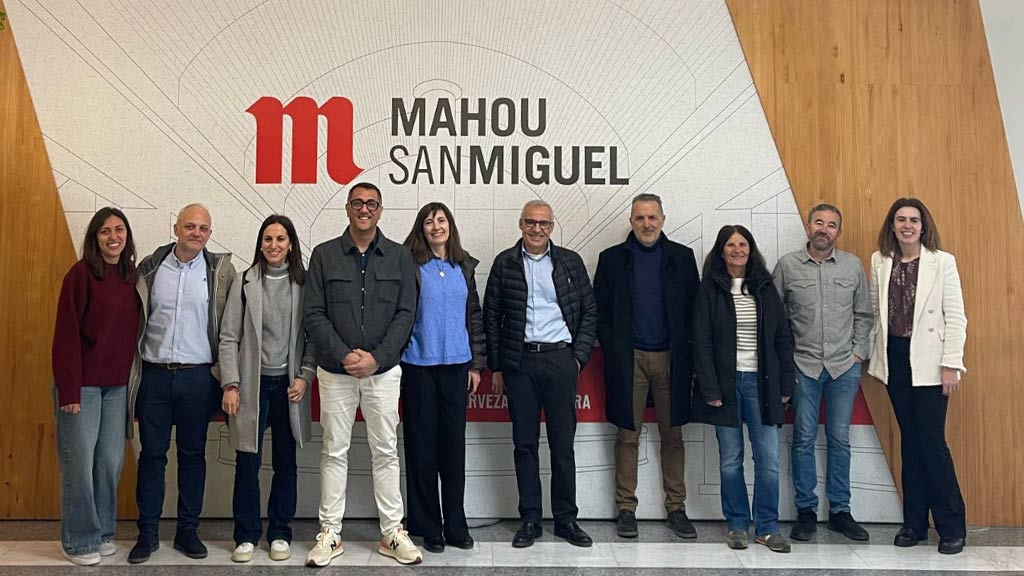
These visits allowed us to accurately recreate the spaces, processes, and knowledge associated with brewing culture, developing a training programme divided into four key modules: brewing processes, beer styles, perfect serving techniques, and pairing.
A tool designed for the classroom environment
In addition to the visits to Mahou San Miguel facilities, we also carried out training sessions with teachers from the four participating Vocational Education and Training centres to support the implementation of the simulator and facilitate its integration into classroom activities.
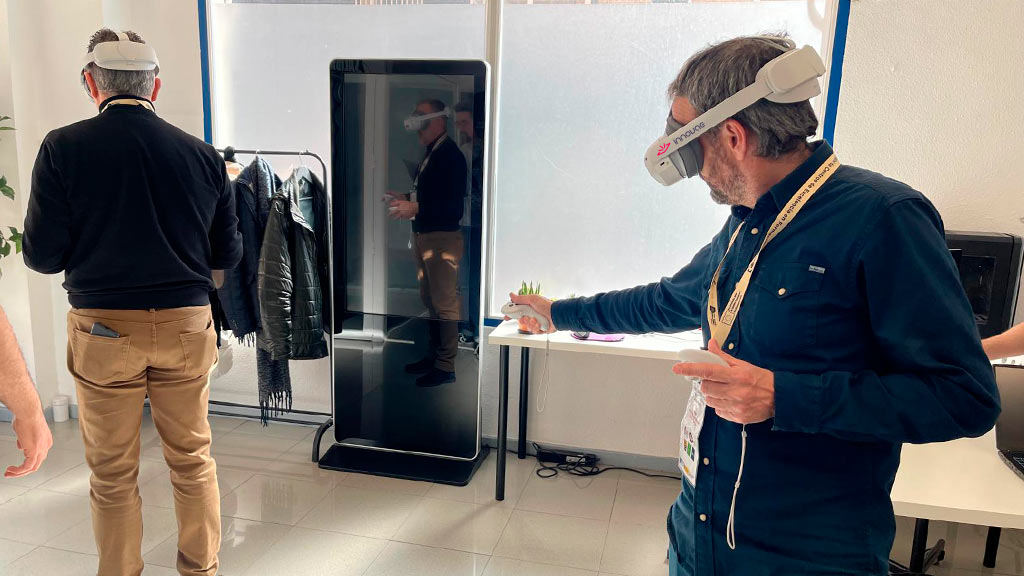
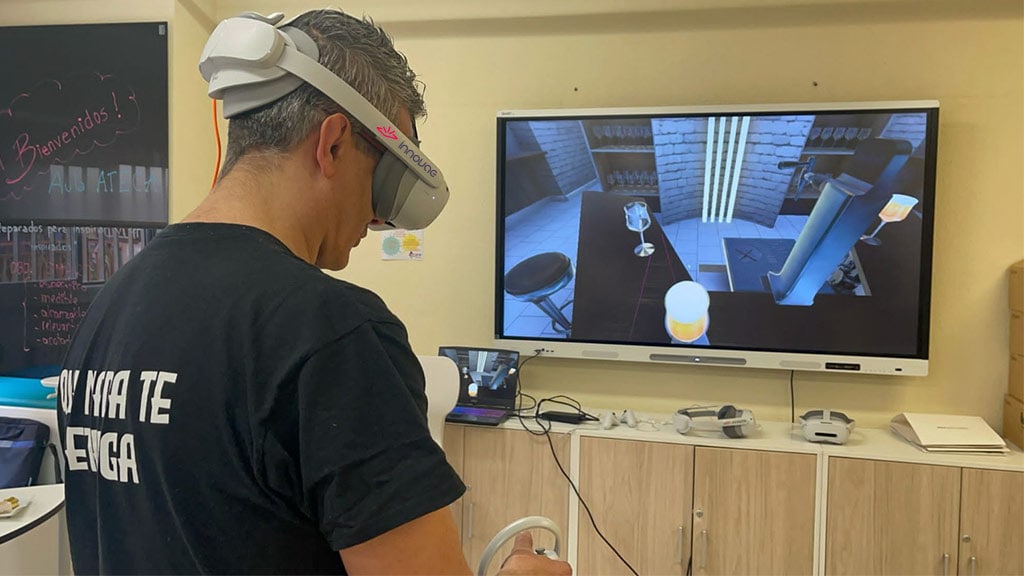
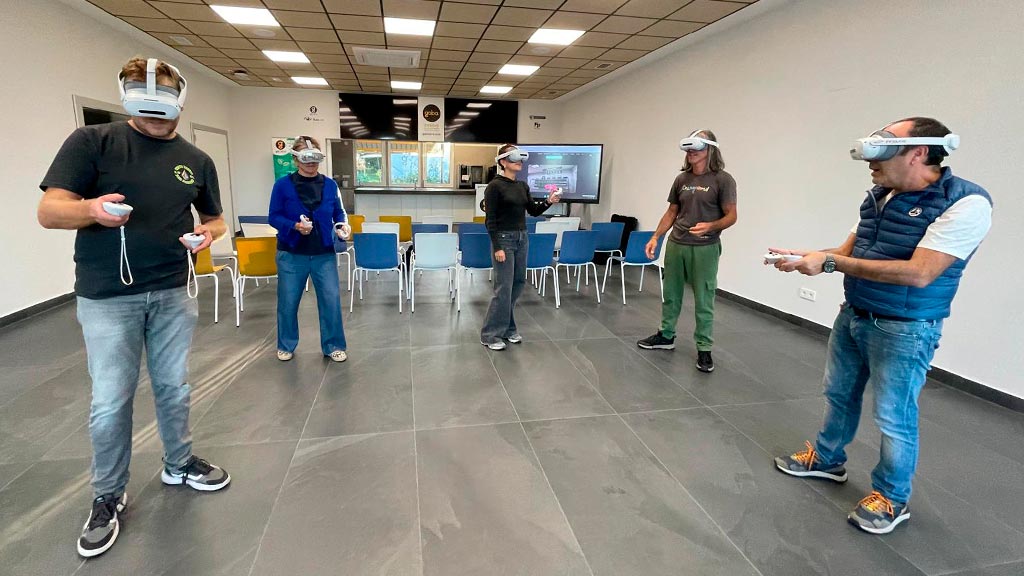
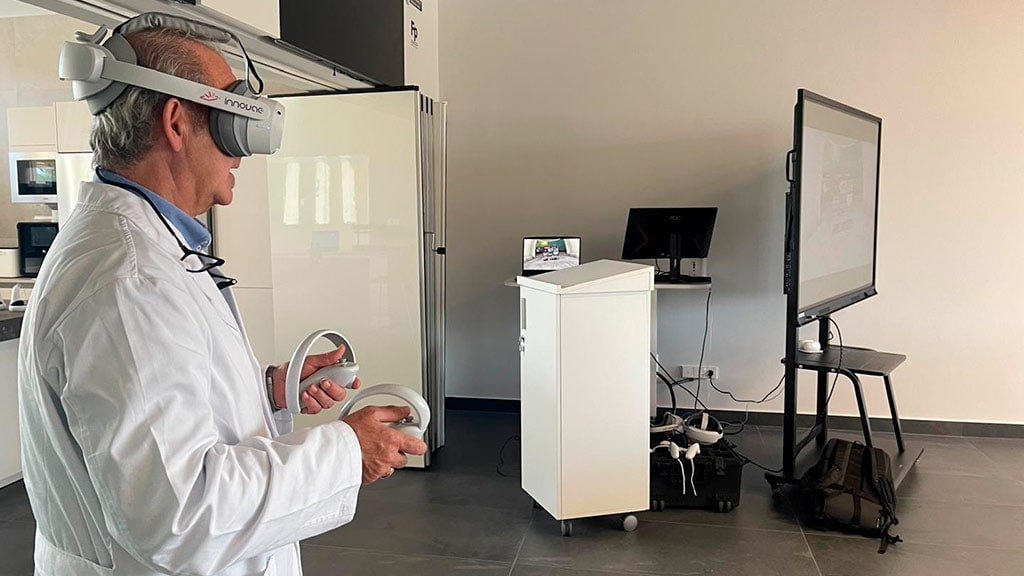
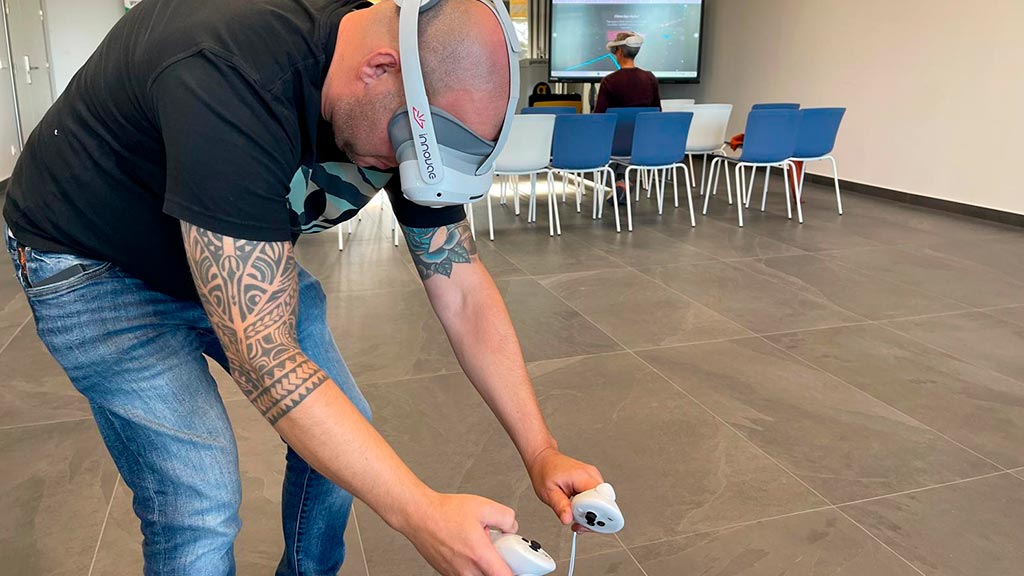
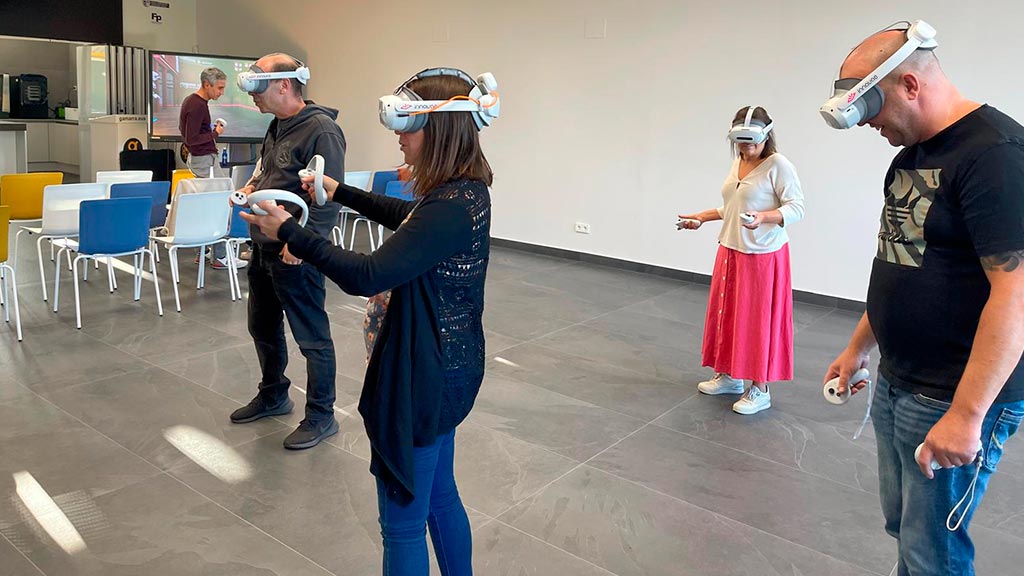
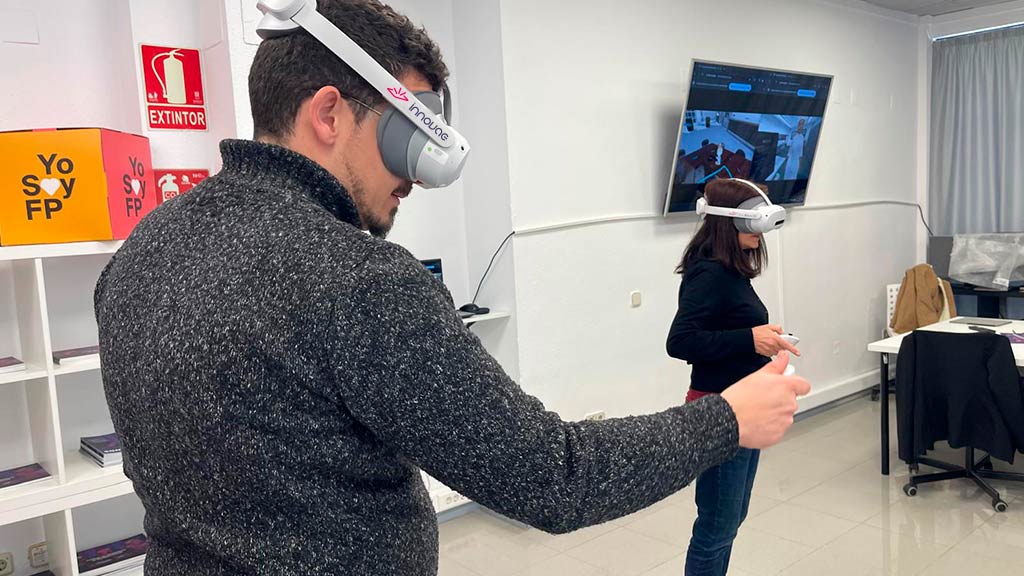
During the presentation of the project, Esther Monterrubio recognised the work carried out by the teaching and management teams involved in the initiative: “Projects like this require teams capable of understanding the needs of the sector, combining technical expertise, pedagogical vision, and a great deal of generosity. They place students at the centre of learning and empower them.”
She also highlighted the project’s ability to transfer such a sensory experience as brewing culture into a virtual environment: “This tool has succeeded in combining something that seemed difficult: brewing, which is closely linked to our senses, with virtual reality technology.”