

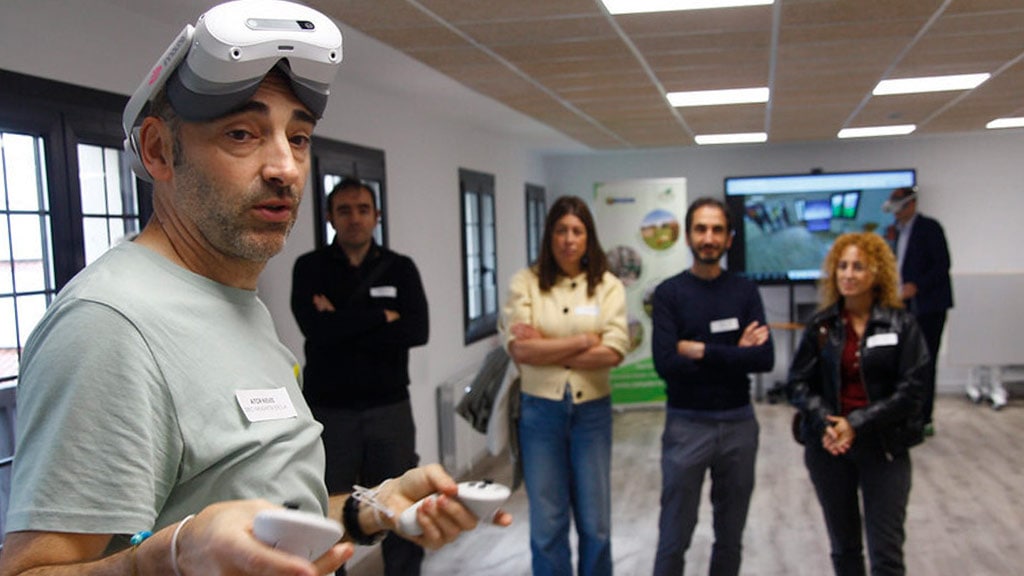
Training students in agroforestry and landscaping is no easy task for Vocational Training centres. Learners need to develop hands-on skills in operating real equipment, yet this learning takes place in a sector where exposure to risk is high from the very early stages of training.
Chainsaws, brush cutters, lawn mowers, cranes, and other heavy equipment all demand precision, safety know-how, technical judgment, and fast reactions. The problem is that traditional training often throws students into real-world settings from day one with expensive machinery, unpredictable conditions, and almost no margin for error. This makes it hard for students to practice freely, learn from their mistakes, and repeat exercises as many times as they need to truly build confidence before working in the field.
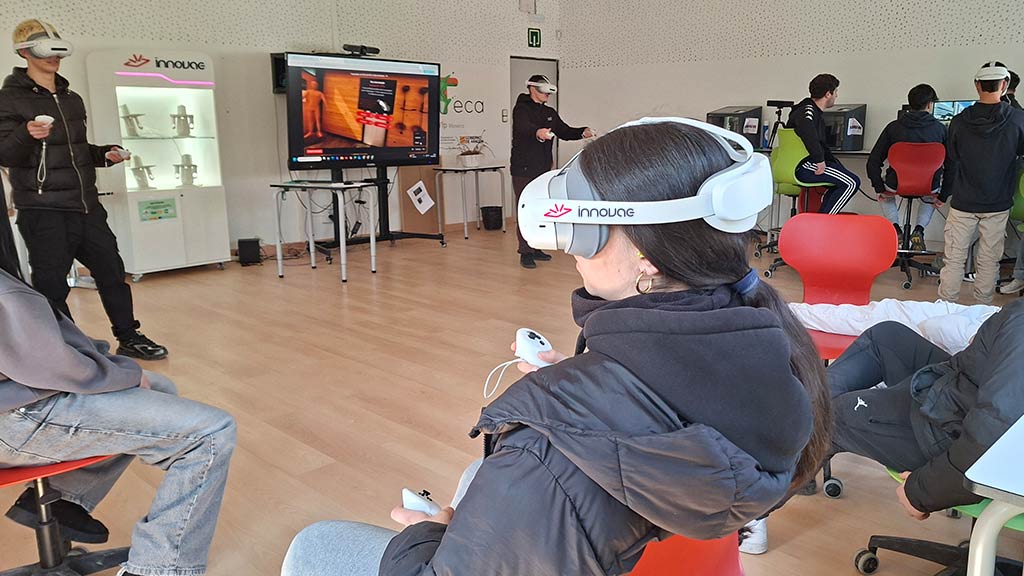
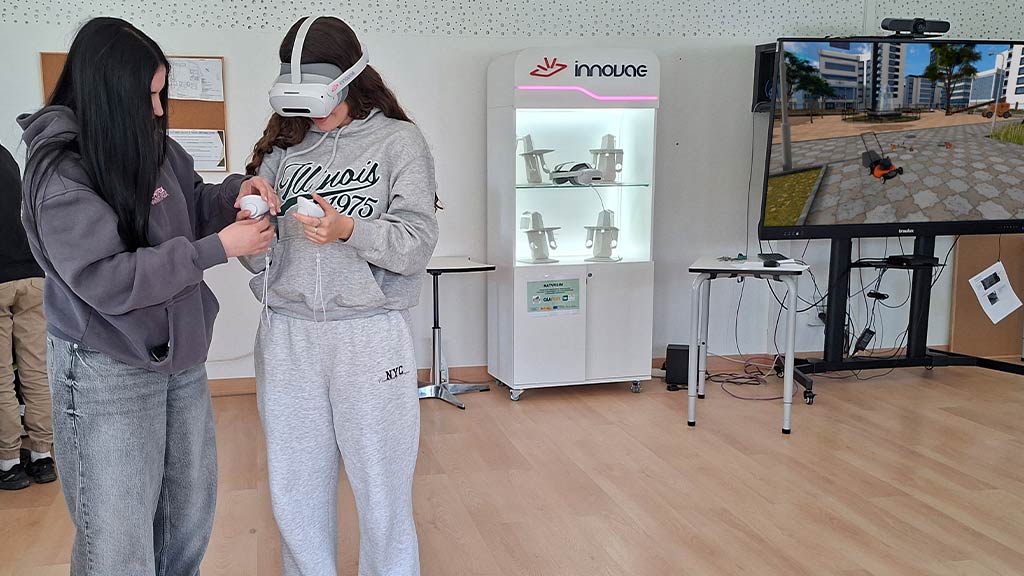
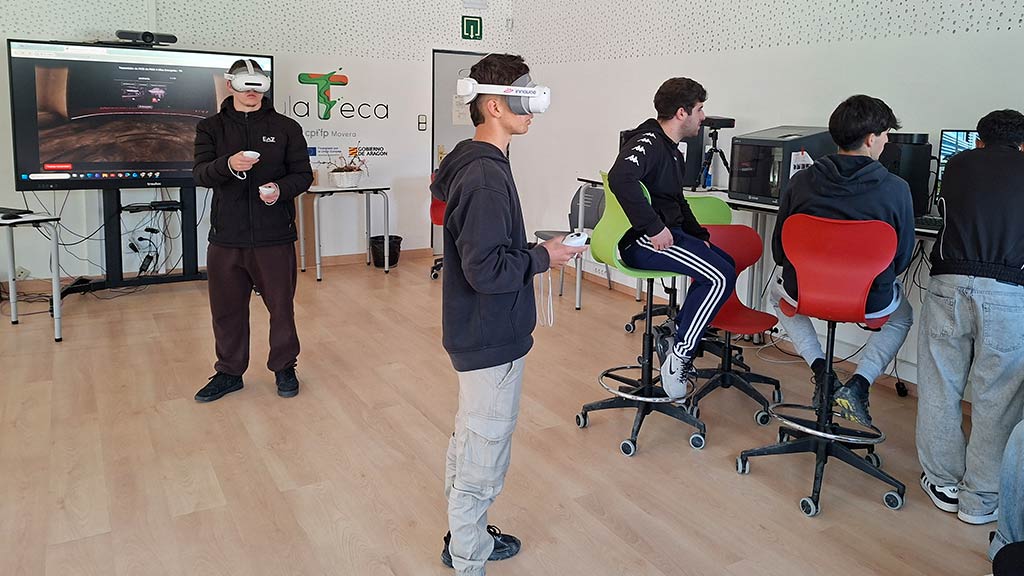
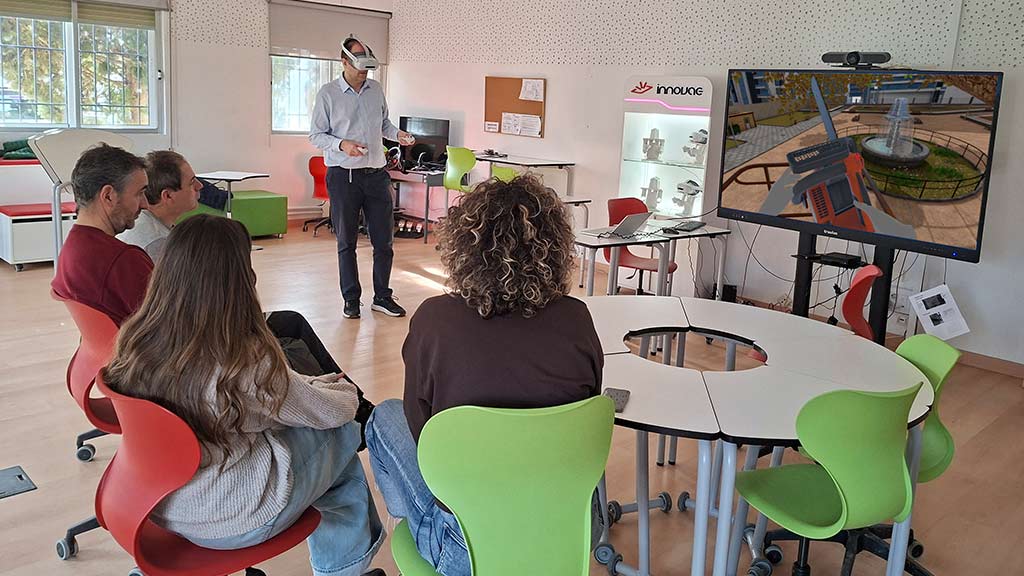
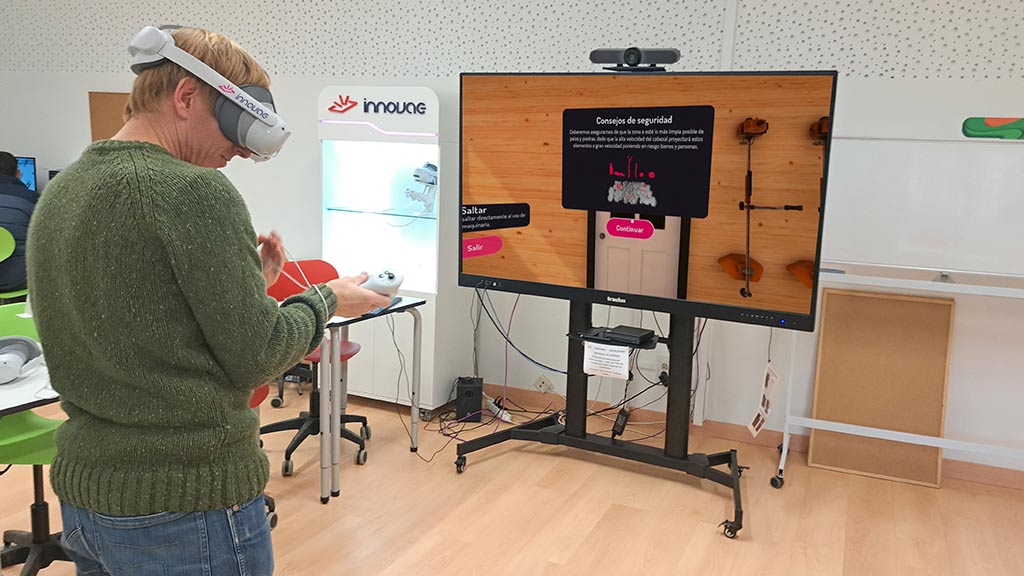
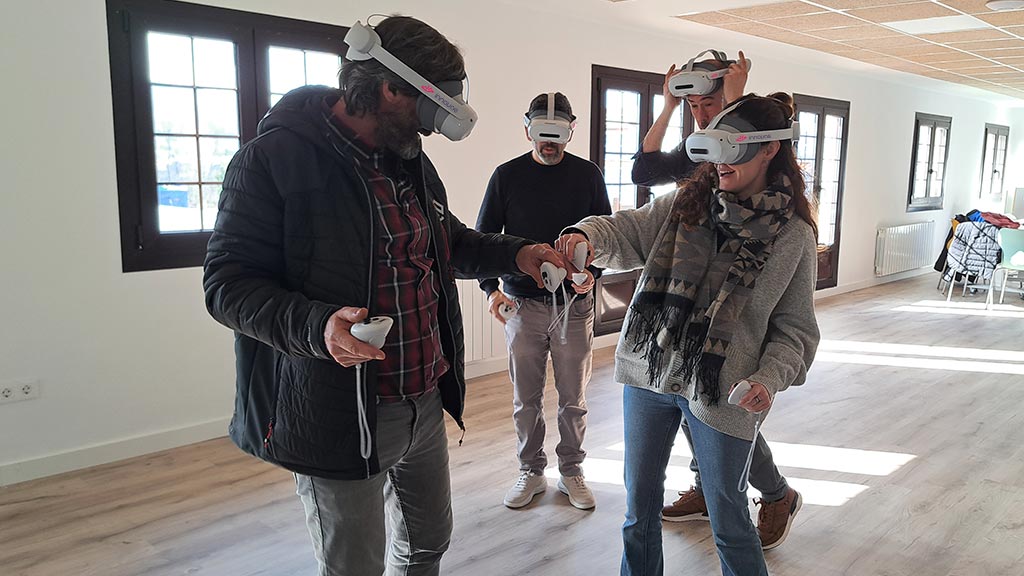
That’s exactly the gap that NATVRSIM, a national innovation project, was designed to fill. Its core goal has been to create and incorporate new virtual reality-based teaching tools that let students practice operating agroforestry machinery in a safe, controlled setting that fits the real needs of the classroom.
A collaborative project connecting education and industry
NATVRSIM is a collaborative project that brought together vocational education centres and companies with direct expertise in training, technology, and agroforestry machinery.
The project has involved the CIFP Nekazaritza Eskola de Derio the coordinating center behind the initiative, and the CPIFP Movera, two Vocational Training centers with deep roots in agriculture and forestry education. Their teaching know-how and close understanding of what students actually need have been key to making sure the tool developed is one that truly works in the classroom.
Alongside this educational perspective, Guifor, has brought its technical knowledge to the table. As a company specialized in machinery for tree treatment and processing, Guifor provided technical support and expert training in the use of this kind of equipment.
The project has also incorporated our experience building virtual reality solutions for technical training, with the goal of combining the educational and industry sides to turn these learning processes into immersive, safe experiences that reflect the realities of the profession.
Safety as a starting point
The agroforestry sector has a notably high rate of occupational accidents. According to Spain’s 2024 Work Accident Statistics from MITES, the forestry and logging industry recorded 3,108 work-related accidents that led to sick leave, 57 of them serious and 15 fatal, during the year the project got underway.
These numbers make one thing clear: safety needs to be a priority from day one, even during training. That’s where virtual reality really comes into its own. It changes the way students first encounter forestry and gardening machinery entirely. Rather than jumping straight into real equipment, they can get comfortable with the procedures, absorb safety guidelines, run through exercises repeatedly, and learn from their mistakes all in a safe, controlled setting.
One of the biggest wins of using simulation in this project is that it takes the fear out of making mistakes. In traditional training, getting something wrong with dangerous machinery can have serious consequences. In a virtual environment, a mistake is simply part of the learning process. Students can practice as many times as they need, get feedback, sharpen their technique, and build real confidence all before they ever set foot in a real work environment.
Impact on safety, sustainability, and training quality
One of the key goals of this project is to bring down the number of accidents and incidents when students work with real machinery. By giving learners a stronger foundation from the start, the aim is to reduce the risks they face during those first hands-on sessions.
NATVRSIM also helps close the gap between what students learn in the classroom and what the working world actually demands. They don’t just learn how to operate machinery, they also get comfortable with new ways of training, being assessed, and continuously improving, all of which are becoming more and more common in professional settings. This is expected to give them a real boost when it comes to finding work.
Sustainability is another area where the project expects to make a difference. By cutting down the hours that real machinery runs during certain parts of training, NATVRSIM can help reduce fuel use, operating costs, and emissions all without sacrificing the quality of practical learning. Plans are also in place to track and measure both the financial savings and the environmental gains along the way.
NATVRSIM shows what virtual reality can really do for Vocational Training when it’s applied to actual, real-world needs. Here, technology tackles one of the biggest challenges in agroforestry and landscaping education head-on: helping students build stronger practical skills, making training safer, and keeping everything grounded in the realities of the profession.
This project isn’t just about bringing in a new piece of technology, it’s about rethinking what practical learning can look like, and making a genuine commitment to a smarter, more future-ready model of Vocational Training.