

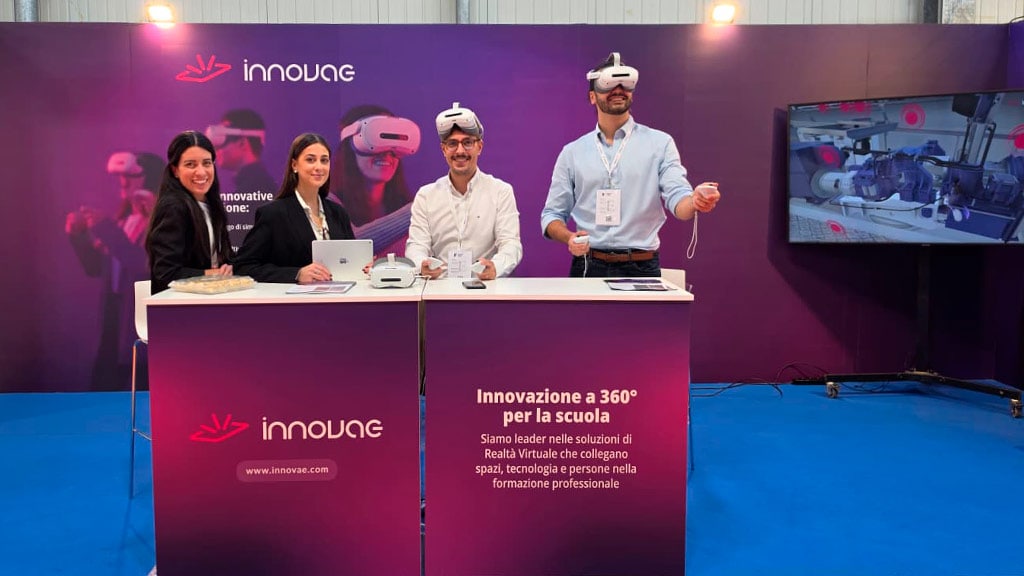
Last week, we attended a new edition of Didacta Italia, one of Italy’s key events for innovation, technology and the future of education.
Building on our participation in previous editions, we travelled to Abruzzo to showcase to teachers, education leaders and Italian institutions the potential of virtual reality for technical and vocational education and training.
Across the three-day event, visitors to our stand had the chance to try our solutions, discover different educational applications and see first-hand how virtual reality can complement technical training by offering new ways to practise procedures, build practical skills and prepare learners for real-world working environments.
Learning by doing with over 60 virtual reality simulators
One of the highlights of our participation in Didacta Abruzzo was our catalogue of virtual reality training simulators, currently the largest in Europe, with more than 60 simulators ready for classroom use.
The simulators give students the opportunity to practise job-related procedures across a wide range of disciplines in safe, controlled virtual environments, preparing them for situations similar to those they will encounter in their future careers.
Technical operations, maintenance, electrical work, automotive technology, renewable energy, healthcare, occupational safety and industrial processes are all areas where virtual reality can help address constraints on practical training. Cost, access to equipment and the risks associated with certain activities can make it difficult for education providers to offer this practice as frequently as needed.
The purpose is not to replace practical training in real-world settings, but to create more opportunities to train and practise. Students can repeat activities as often as necessary, learn from mistakes and build familiarity with procedures and equipment before using them in real-world conditions. Meanwhile, teachers gain an additional resource to guide students, track their progress and assess their development.
A hands-on experience for teachers and education providers
At Didacta Abruzzo, we wanted to go beyond explaining the possibilities of this technology. Throughout the three-day event, attendees were able to try out different immersive experiences at our stand and discover how these solutions can be integrated into everyday teaching at their institutions.
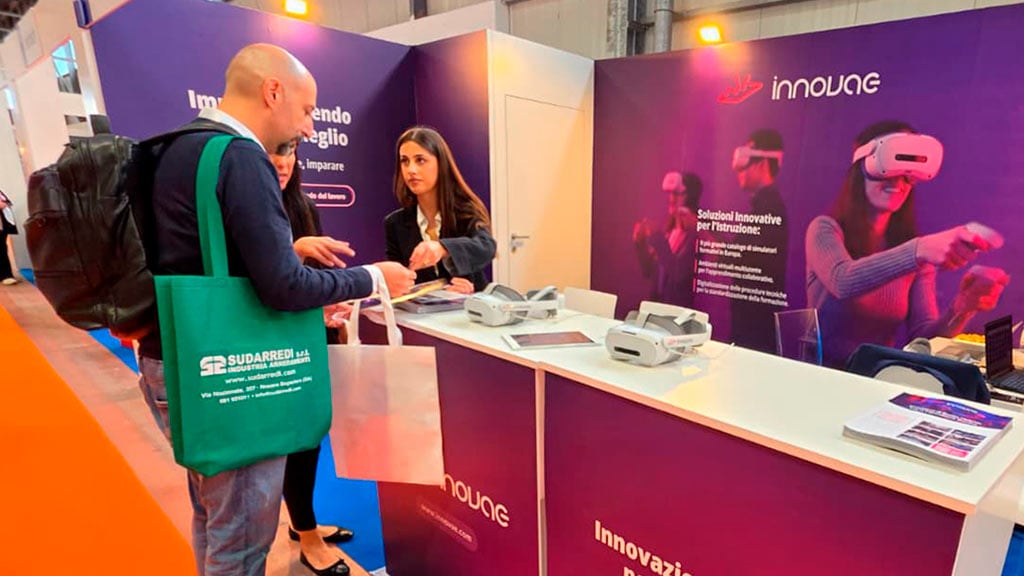
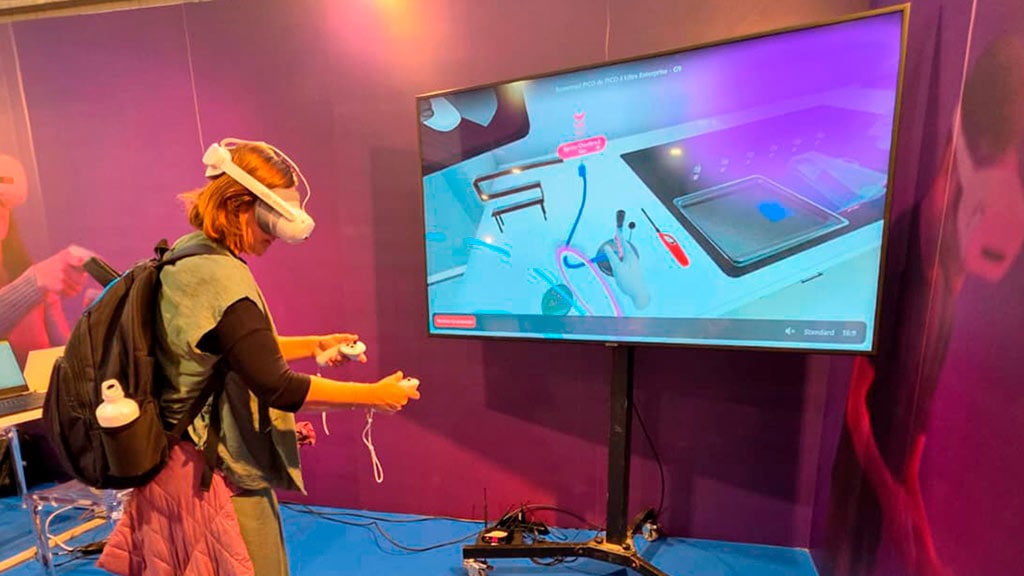
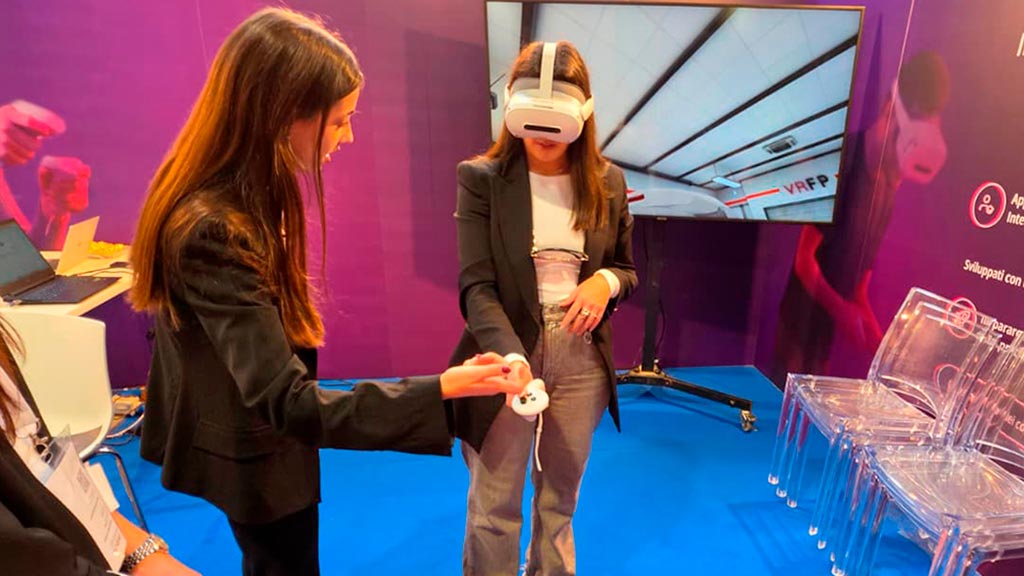
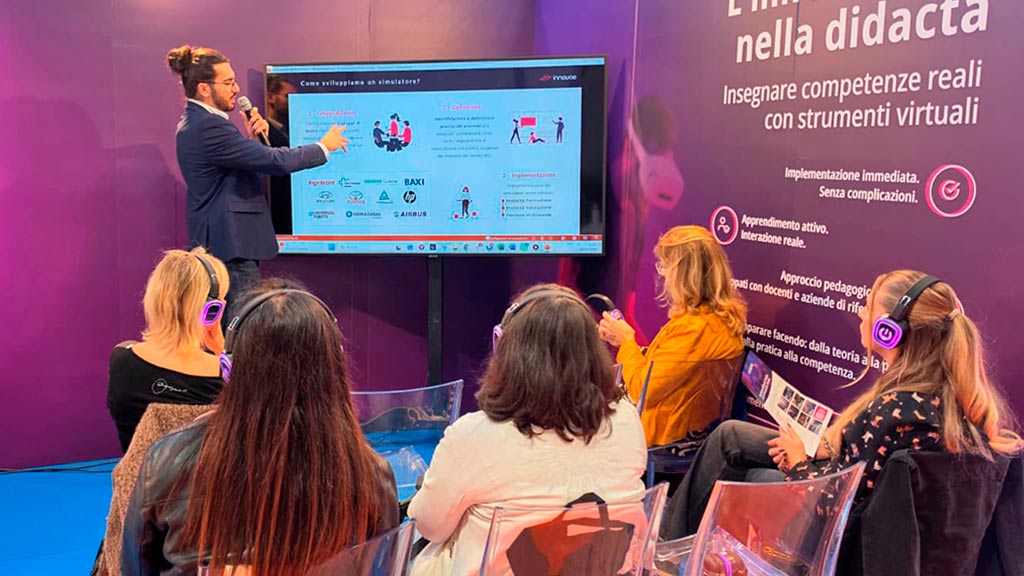
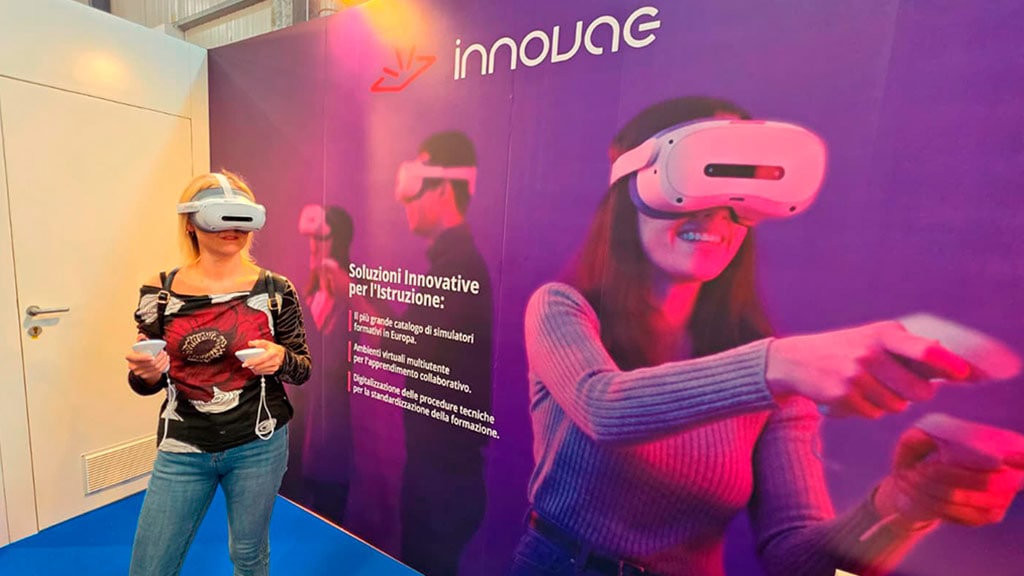
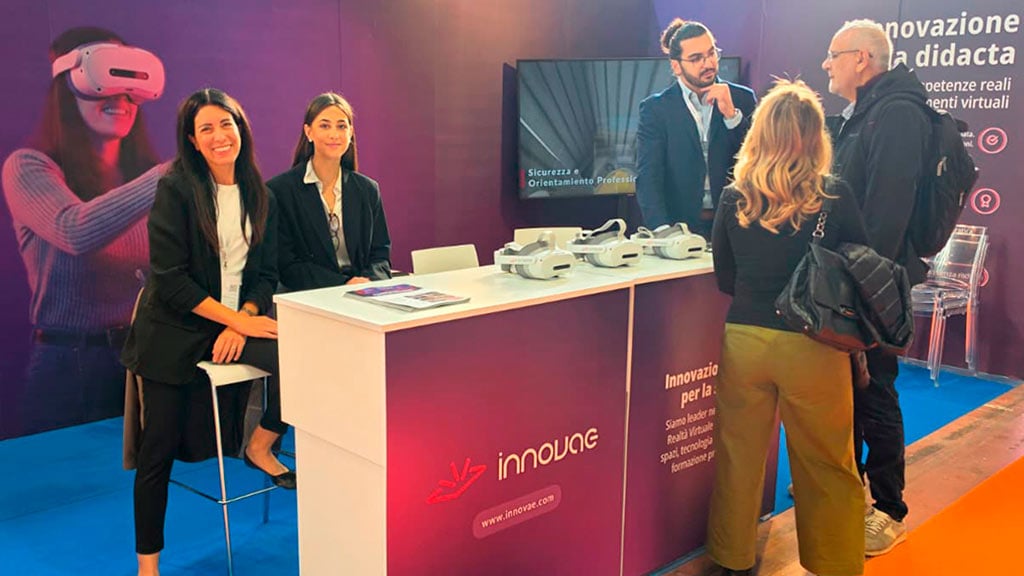
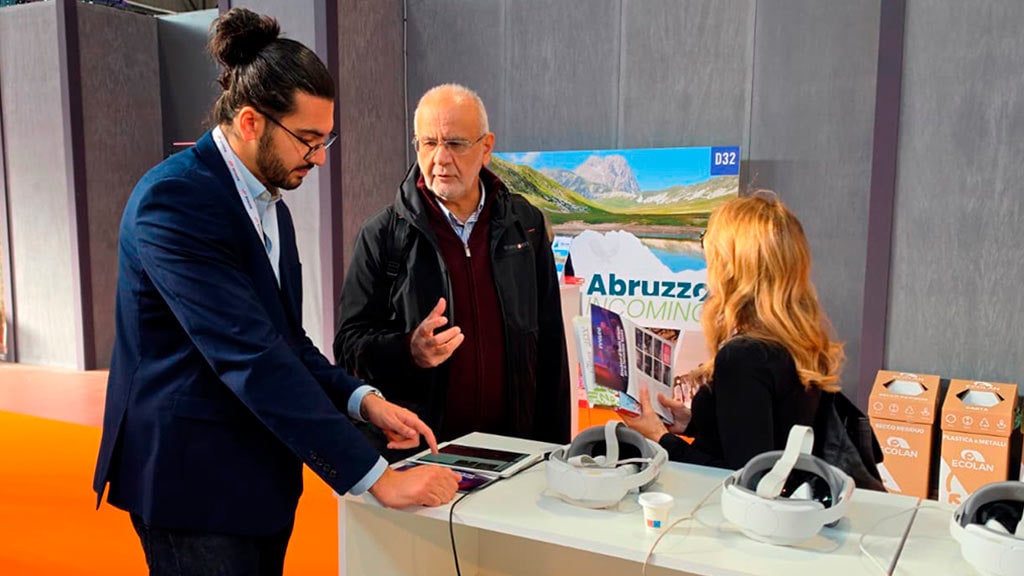
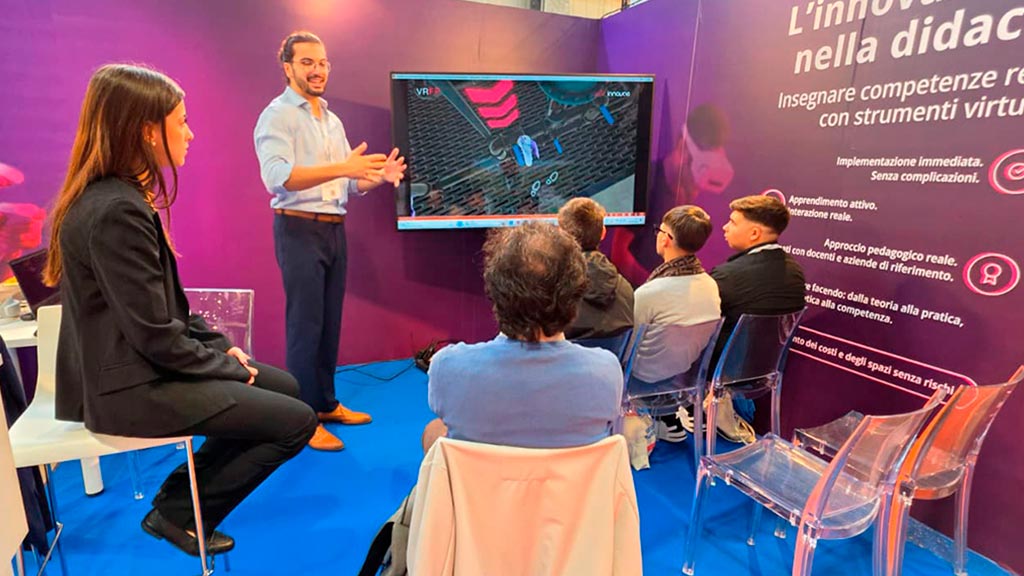
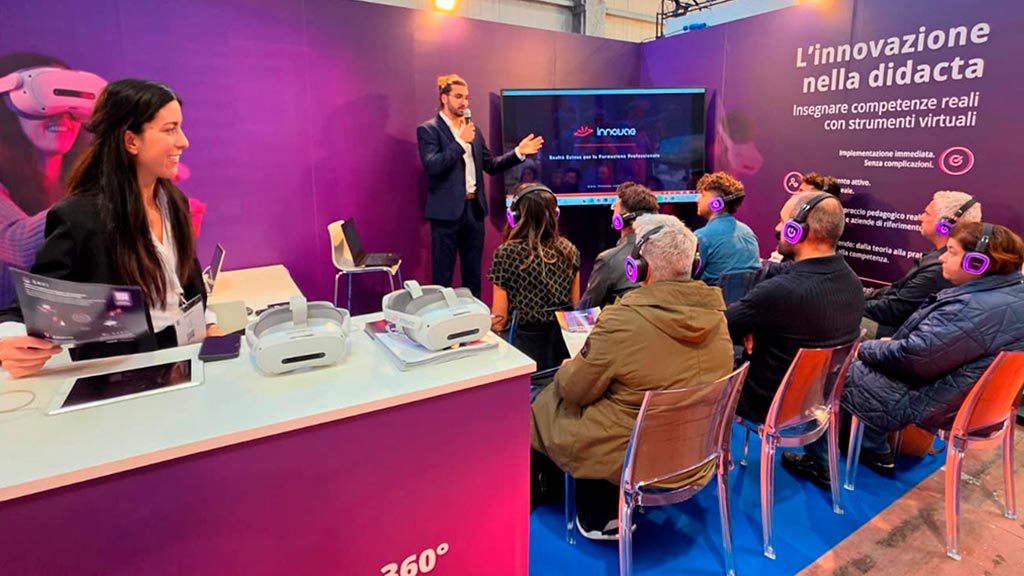
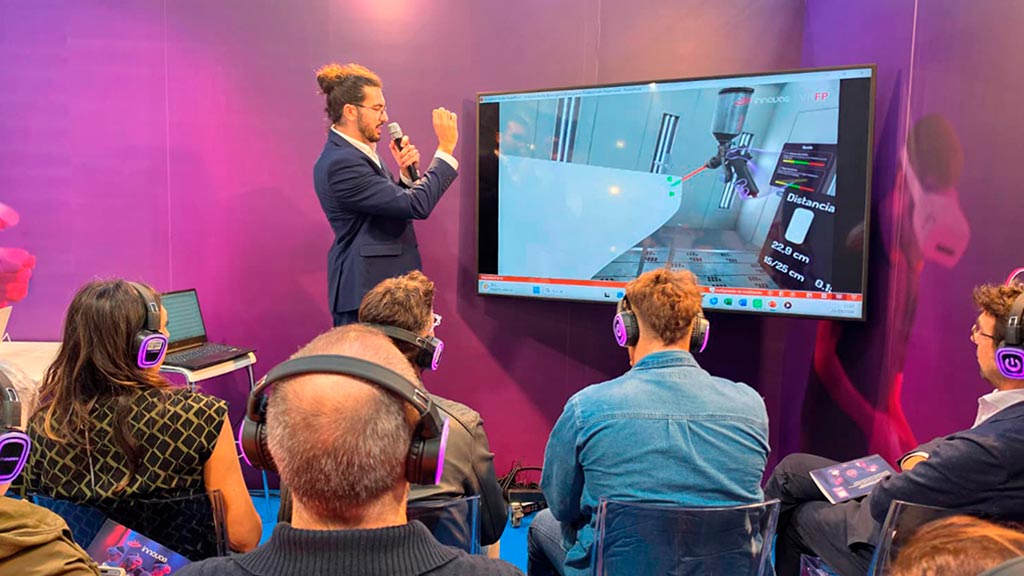
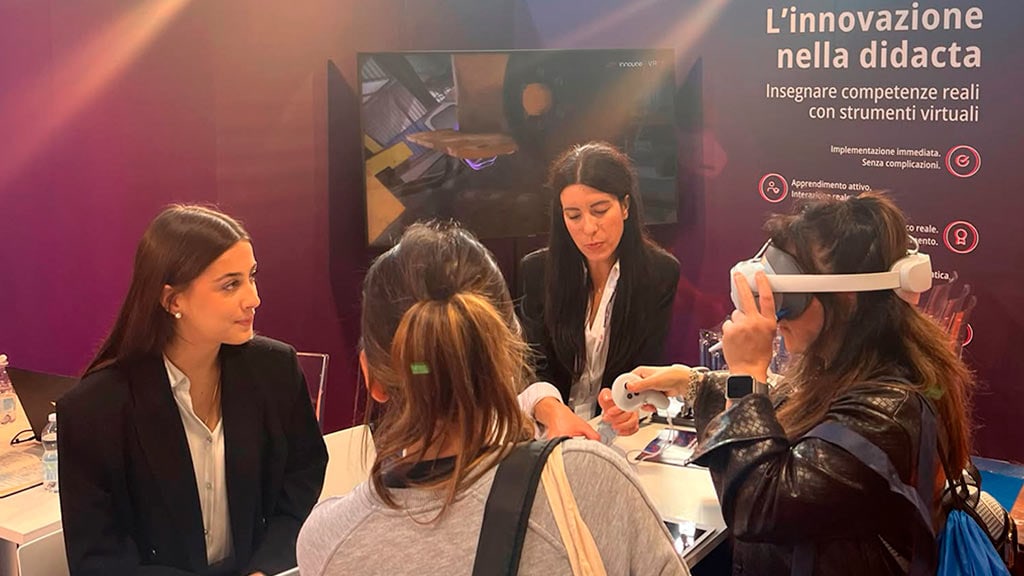
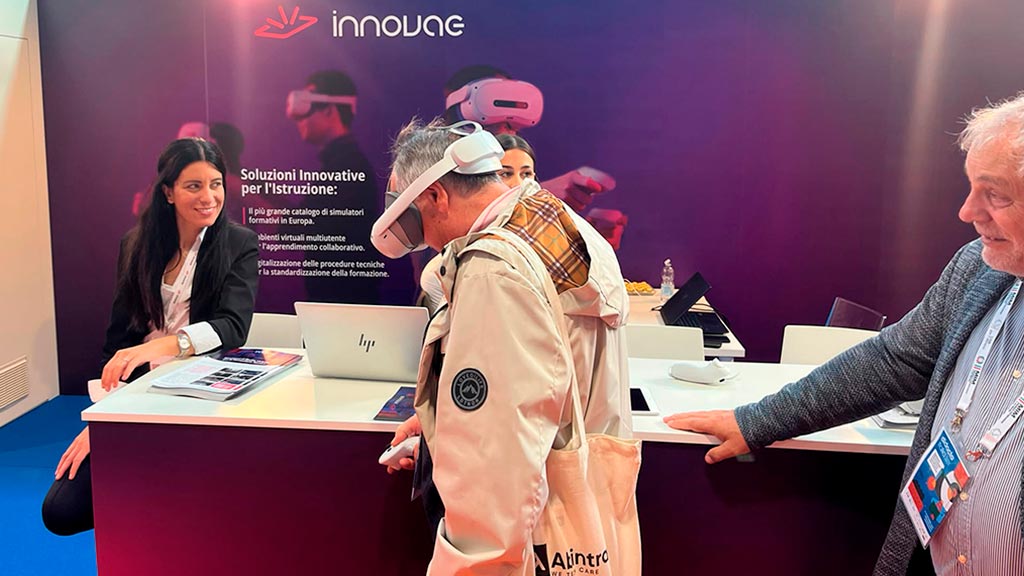
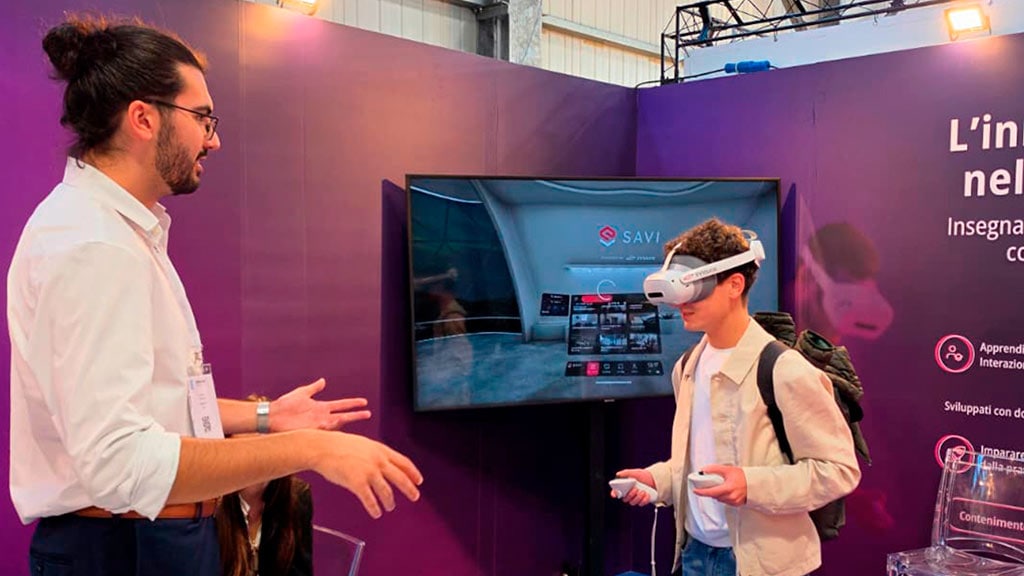
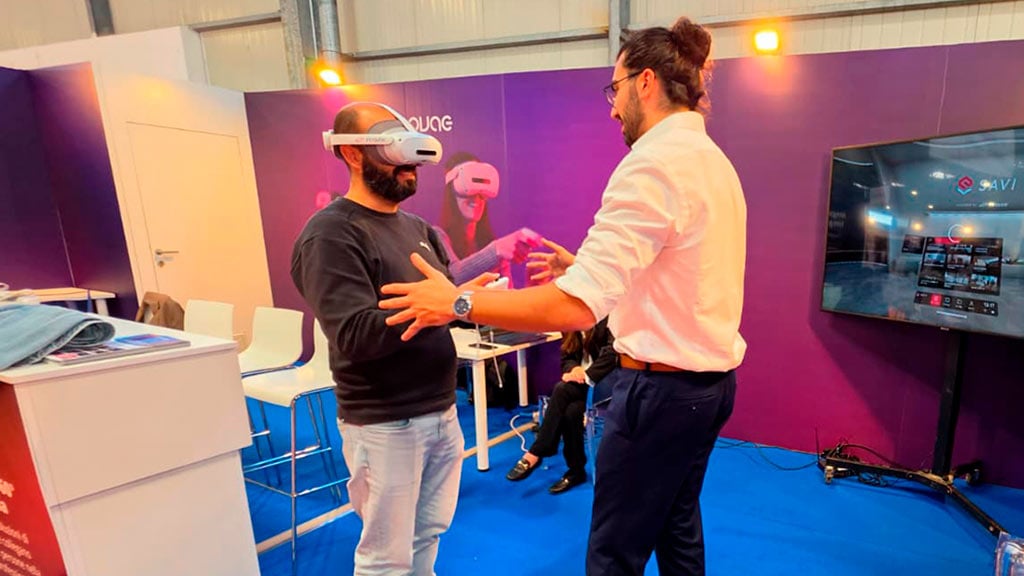
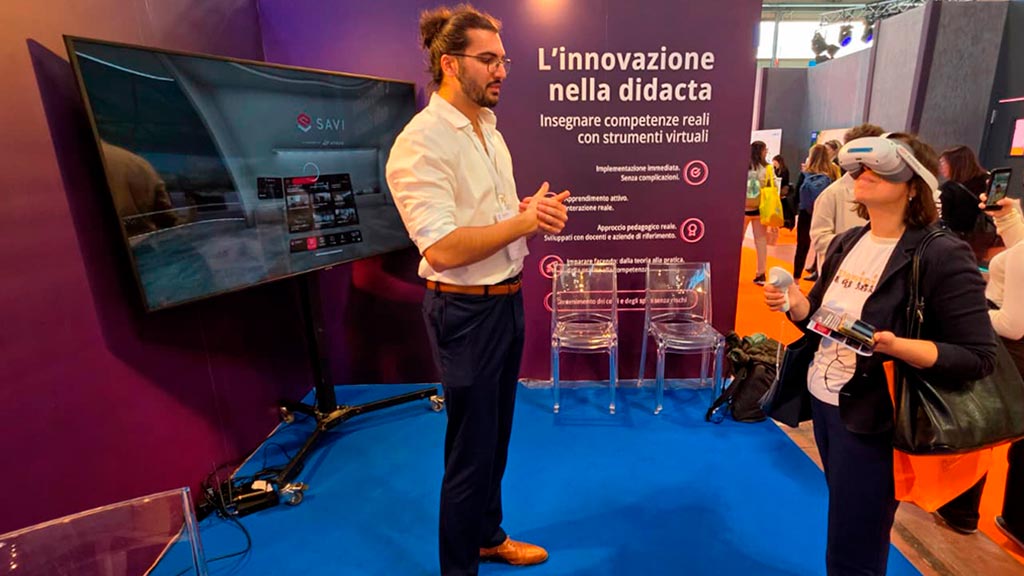
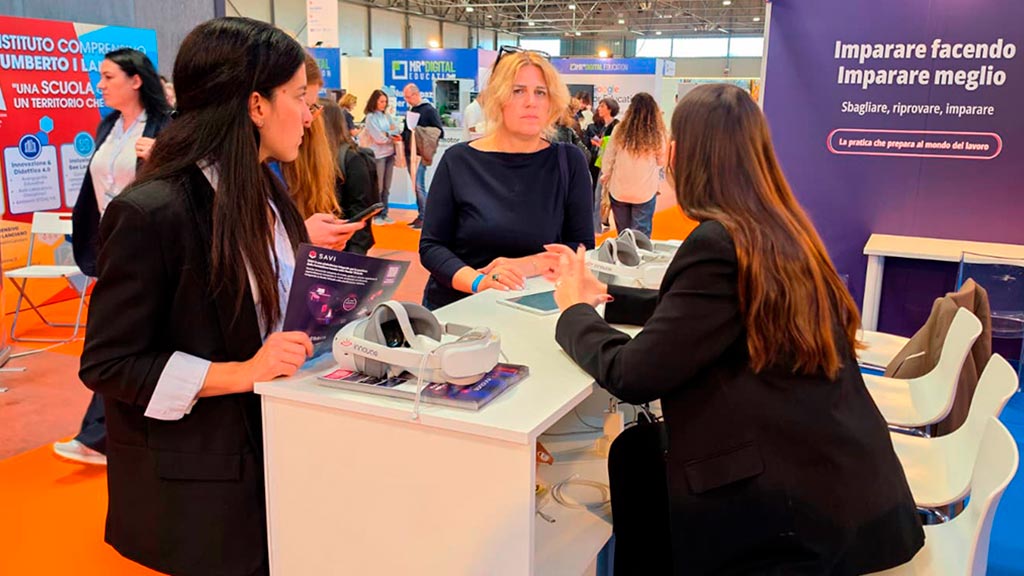
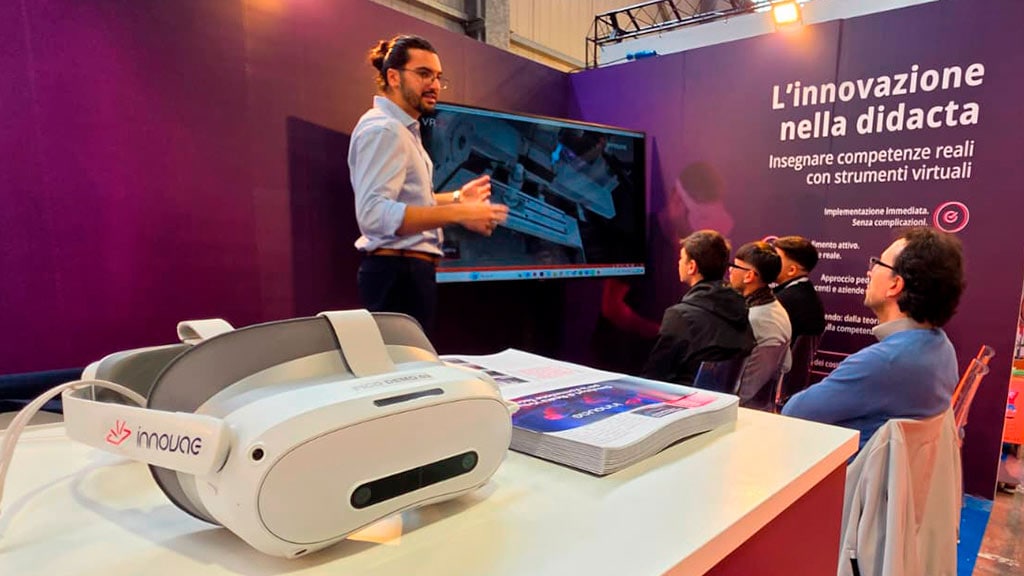
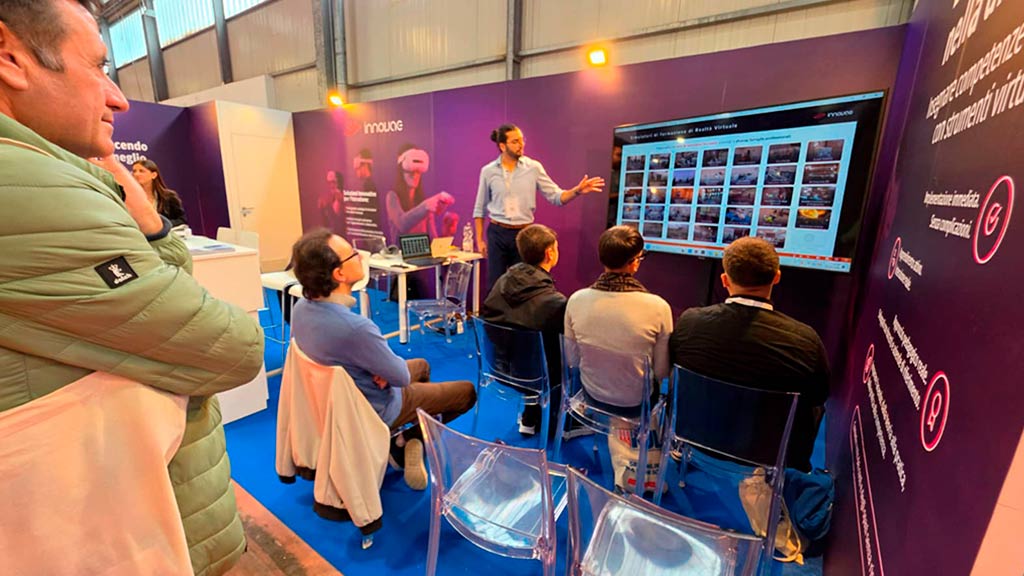
Wearing a virtual reality headset, interacting with a simulated professional environment and completing a task offers a clear insight into how the learner’s role changes. Students move beyond passive observation or listening to actively participate, make decisions and see the consequences of their actions.
This learning by doing approach puts practice at the heart of how students learn.
New possibilities for innovation labs
Virtual reality gives innovation labs and technical learning spaces greater flexibility, allowing them to accommodate new training activities without needing specific machinery or facilities for each one.
The same equipment can be used to cover content across different vocational fields, increasing the range of practical activities available and helping institutions make better use of their technological resources.
Learners can carry out activities without consuming physical materials, repeat exercises without causing wear and tear on real equipment, and practise certain procedures without exposure to unnecessary risks.
The result is a flexible addition to existing facilities that enables institutions to offer students a wider and more varied range of practical learning opportunities.
Continuing our growth in the Italian education market
This edition of Didacta marks another step forward in our commitment to the education market in Italy.
During the three days of the exhibition, we met with teachers, education leaders and institutional representatives from different regions to better understand their needs and exchange experiences of incorporating new technologies into technical education.
Once again, Didacta has shown the importance of bringing education and technology together to explore new ways to prepare students for the demands of working life.