

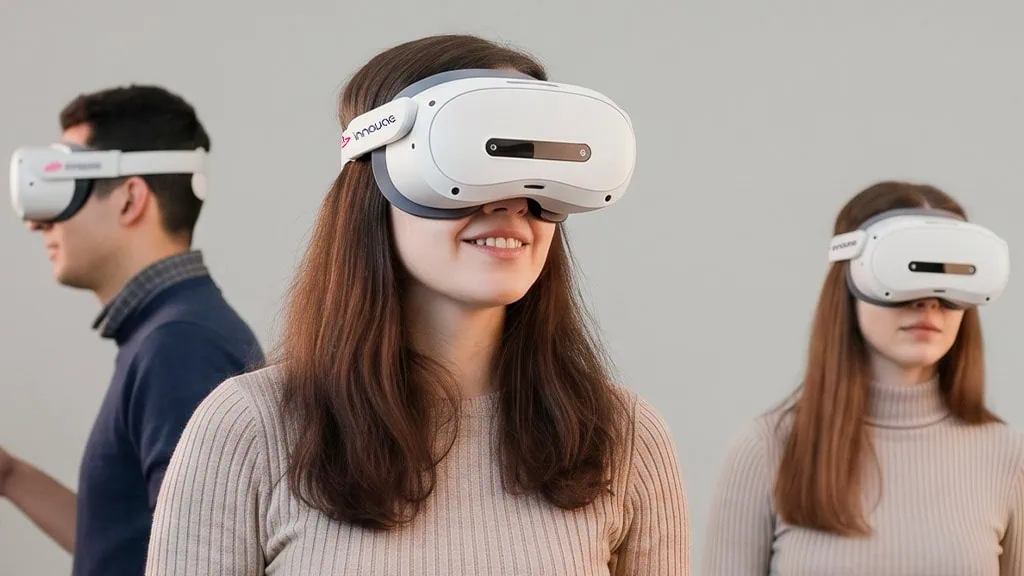
Virtual Reality is set to transform the way we teach and learn. Its ability to immerse students in simulated environments creates new opportunities for hands-on, interactive, and motivating experiences.
However, simply introducing this technology into the classroom does not automatically lead to educational innovation. Its real impact largely depends on how it is used. This is where best practices come into play: small technical, methodological, and organizational decisions that ultimately make the difference.
Before starting: Get the setup right
Every successful Virtual Reality session begins before students even put on the headset. In fact, many of the issues that arise during a session are often the result of lack of preparation.
Even small details matter. Something as basic as charging devices in advance can determine whether a session runs smoothly or gets interrupted. The same applies to connectivity. An unstable network can break immersion, slow everything down, and frustrate students. Whenever possible, using a dedicated, reliable connection instead of a shared school network makes a big difference.
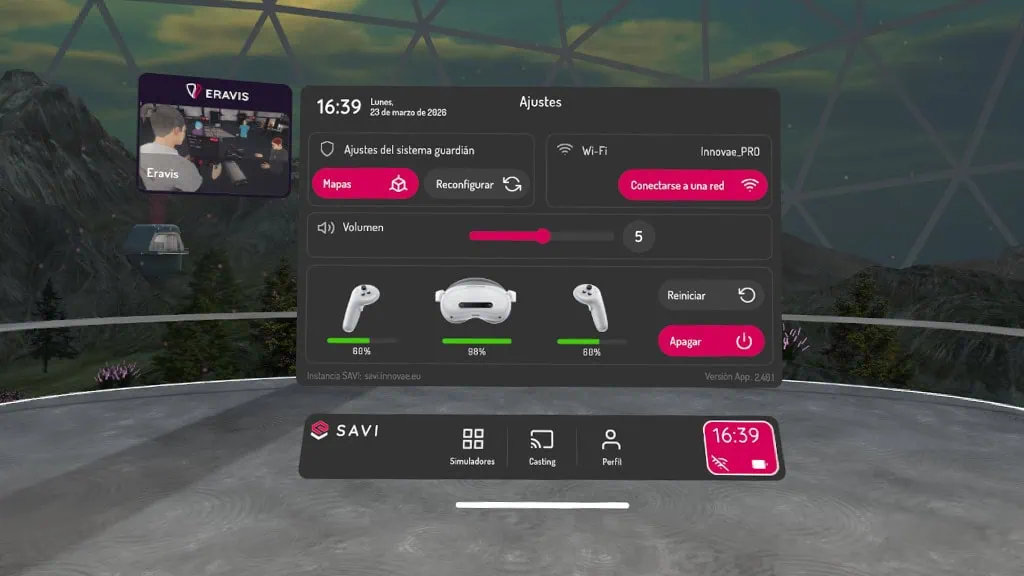
Organization is just as important. Keeping devices paired, labeled, and ready to use helps avoid confusion and saves valuable classroom time, especially when equipment is shared.
The physical space also needs to be carefully considered. VR requires a safe area where students can move comfortably. In most cases, at least two square meters per user is recommended to ensure natural interaction without risk.
There are also small, often overlooked factors that can impact the experience. Mirrors, for instance, can interfere with tracking systems, so covering or removing them is a simple but effective precaution.
Finally, making sure devices are clean and content is updated not only improves performance but also creates a more professional and structured learning environment.
During the Session: Make It About Learning
Once the session begins, the focus shifts from technical setup to pedagogical integration. The challenge is not the technology itself, but how effectively it is embedded into the learning process.
To achieve this, it is essential to avoid treating VR as a standalone or purely demonstrative activity. Its real value emerges when it is connected to the broader learning process, becoming part of a structured educational journey. Combining immersive experiences with complementary activities such as discussions, exercises, or analysis ensures that all students remain actively engaged, whether or not they are using the headset at that moment.
At this stage, tools like wireless casting become especially valuable. Being able to display what a student sees in VR on a shared screen not only improves visibility but also turns the experience into a collective one, encouraging discussion, reflection, and shared learning.
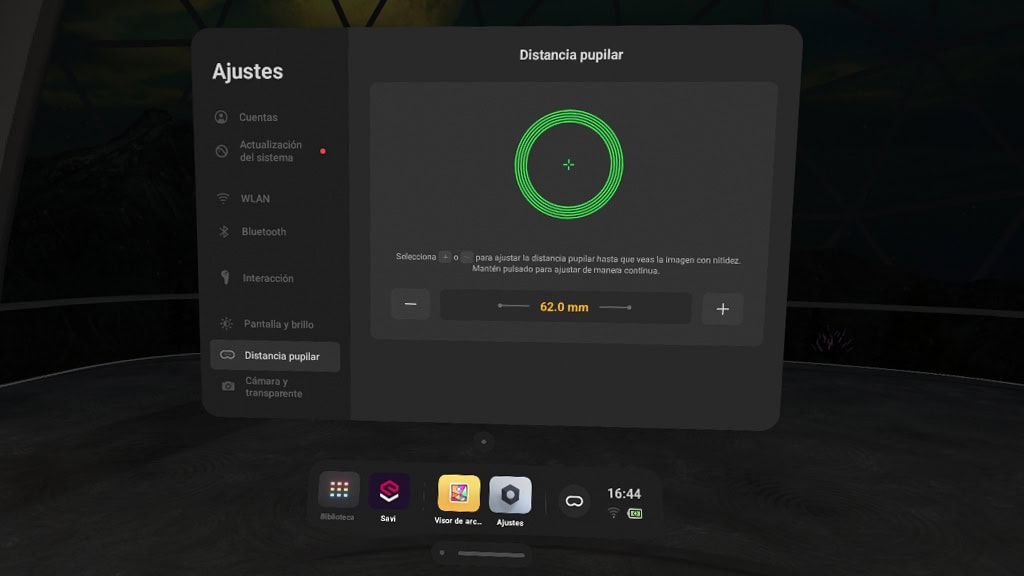
As students engage with the experience, comfort and perception become key factors. Properly adjusting the interpupillary distance (IPD), for example, helps prevent blurred vision, fatigue, or dizziness. Similarly, correctly fitting the headset can make the difference between a smooth immersive experience and a frustrating one.
It’s also important to plan breaks. VR sessions can be intense, so short pauses every 30–40 minutes help reduce eye strain and maintain concentration.
A quick introduction to controls and interaction methods at the start of the session helps students feel confident and ready to engage, allowing them to focus on what really matters: learning.
At the same time, safety remains essential. Setting up the guardian system and using controller wrist straps helps prevent accidents.
Even factors such as lighting can have a significant impact. Using VR indoors with controlled lighting conditions not only protects devices from direct sunlight but also ensures a more stable and comfortable experience.
After the session: Taking care of equipment
Once the session ends, an equally important phase begins: equipment management and maintenance. It’s a phase that’s often overlooked, but essential to ensure VR remains a sustainable and reliable teaching tool.
Cleaning devices after each use is key, not just for hygiene, but for durability. Using the right products and avoiding alcohol-based cleaners helps protect materials and extend their lifespan.
Simple habits also make a big difference: making sure each headset has its controllers, turning devices off properly, or leaving them ready to charge for the next session. These small routines save time and prevent issues later on.
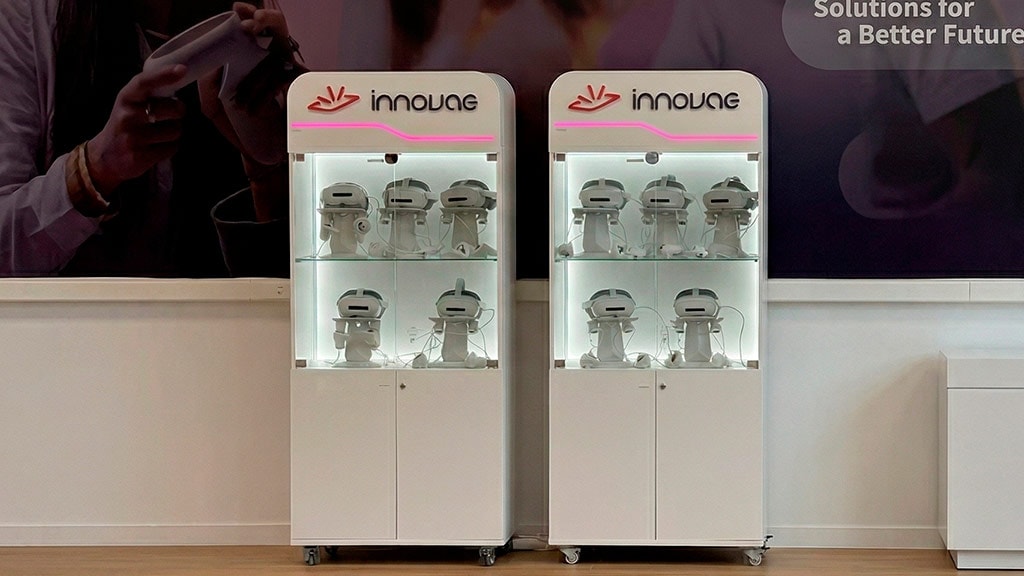
Having a dedicated space to store and charge devices is crucial. It keeps equipment safe from dust, humidity, and damage, reduces the risk of loss, and makes it much easier for teachers to integrate VR into their daily practice.
Virtual Reality has the potential to transform education, but it does not do so on its own. Its impact depends on how it is planned, integrated, and managed in the classroom. When used with purpose, it moves beyond being just a novel technology and becomes a true learning tool and that is where its greatest value lies.