


The European Commission’s report, “Virtual Worlds: How Do They Affect Our Health and Well-Being?” (July 2025), offers a comprehensive look at immersive experiences as part of Europe’s strategy to build a safe and inclusive VR ecosystem.
The findings highlight how VR is transforming key areas of daily life, from education and workplace learning to culture, healthcare, social inclusion, and the well-being of vulnerable populations.
Virtual Reality for fitness, well-being, and social interaction
VR is rapidly becoming part of everyday entertainment and wellness. According to the European Commission report, one of the main benefits is promoting physical activity through immersive “exergames”, improving fitness, coordination, and motor skills.
Beyond physical activity, the study emphasizes VR’s potential for emotional well-being. Virtual simulations of natural environments or mindfulness exercises can reduce stress, improve emotional control, and lower anxiety all accessible from home.
Virtual reality is also creating new social spaces, from support networks to online communities, helping users connect, reduce social isolation, and strengthen social bonds.
The report emphasizes that VR can also enhance accessibility for vulnerable groups. Immersive interfaces allow participation in social, educational, and wellness activities without needing to travel which can be especially helpful for seniors, people with disabilities, or patients with chronic conditions. This makes virtual spaces a valuable tool for maintaining social ties and active community engagement.
Virtual Reality in healthcare: training, therapy, and rehabilitation
Immersive technologies are revolutionizing healthcare. VR enables clinicians to practice complex surgeries and procedures in risk-free simulations, enhancing hand-eye coordination and technical proficiency before real patient interactions.
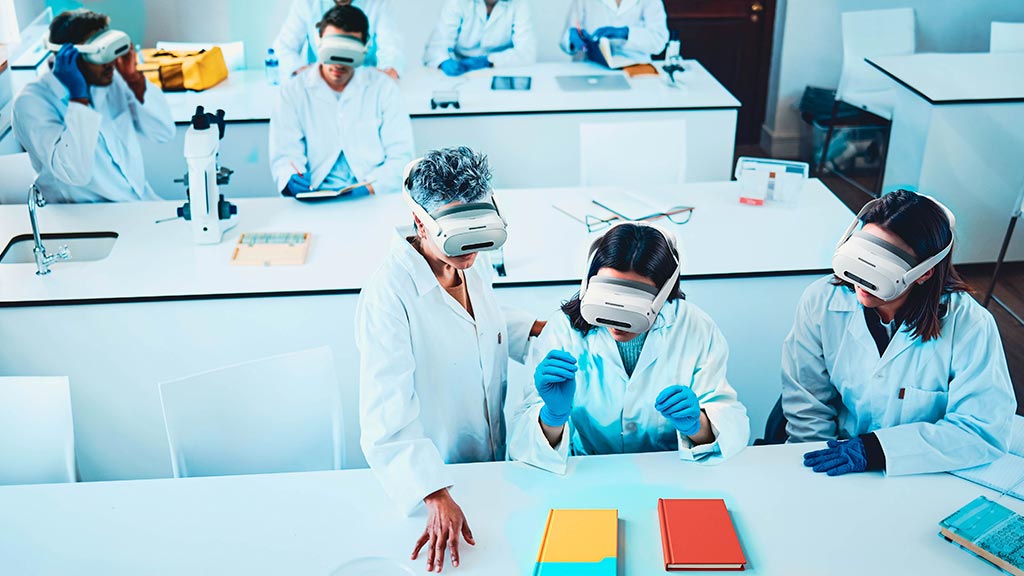
Virtual reality is also proving valuable in therapeutic contexts. Research shows it can reduce acute and chronic pain, serving as a distraction during medical treatments. For younger patients, VR has been used to reduce pain during vaccinations, oncology treatments, and to address hyperactivity.
Another key use is exposure therapy, which helps patients tackle phobias, addictions, or PTSD by gradually confronting fears in controlled virtual scenarios.
The study also highlights VR’s potential in physical and cognitive rehabilitation following a stroke. Incorporating gamified exercises can boost patient motivation and enhance motor recovery. Early research also indicates promising outcomes in neurocognitive rehabilitation for patients with Alzheimer’s and Parkinson’s disease.
Improving occupational safety with virtual reality simulators
The European Commission report highlights the growing role of VR in occupational safety and operational efficiency. VR platforms enable employees to train for high-risk scenarios, such as fires or heavy machinery operation, safely and effectively.
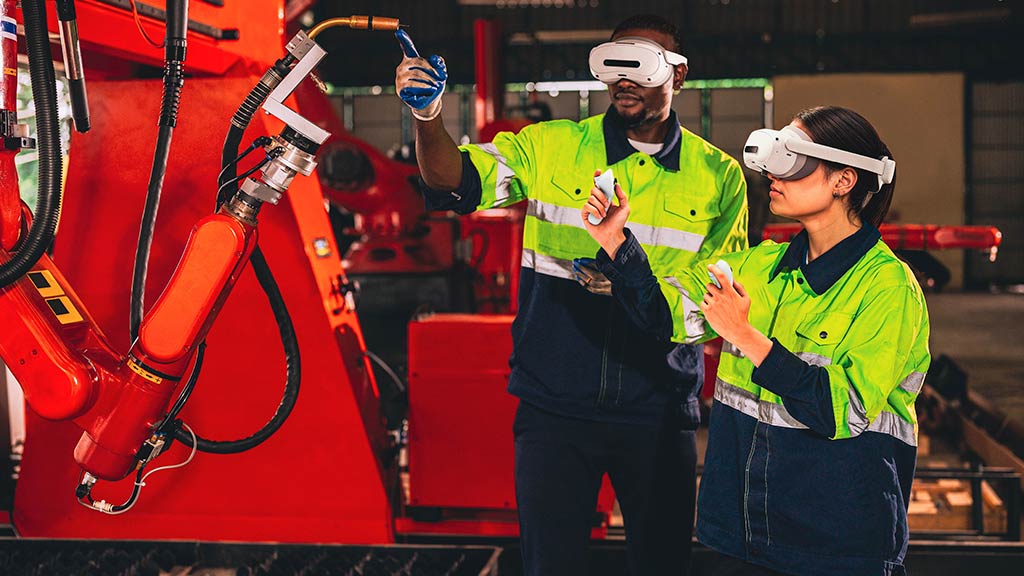
Augmented Reality adds another layer of support by providing step-by-step visual guidance during complex tasks, reducing cognitive load and improving precision in maintenance and repair operations.
Immersive learning opening new doors in education
Beyond healthcare and industry, the report also examines the impact of immersive technologies on education.
One of the key benefits is the increased emotional and cognitive engagement of students. Virtual environments allow learners to explore scenarios and experience situations that would be risky or difficult to replicate in a traditional classroom.
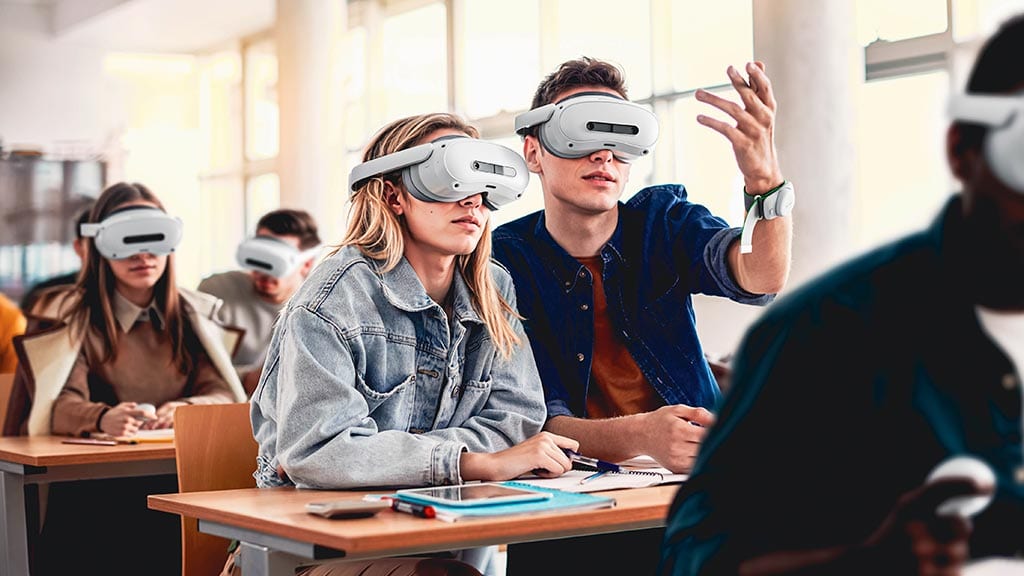
These tools also promote a more inclusive education. Personalized VR experiences can support students with diverse needs or neurodivergence, like ADHD or autism, by boosting motivation, participation, and teamwork.
The report also highlights that VR can help reduce educational disparities. Some programs use offline VR devices to bring learning to rural or underserved communities, widening access to quality education.
Challenges and recommendations: Towards a safe virtual ecosystem
The European Commission’s report also highlights some key challenges that must be addressed to ensure the safe and responsible adoption of immersive technologies.
These include physical effects associated with prolonged use of immersive devices, such as cybersickness, eye strain, and other potential impacts, which require further scientific research.
The report also cautions against overuse of virtual environments. Relying too much on digital experiences instead of real-life interactions can lead to addiction, depression, or social isolation. In the workplace, the absence of physical social cues may increase feelings of loneliness, while in education, less in-person contact could affect students’ social skills and mental well-being.
Another concern is exposure to negative experiences within digital environments. The immersive nature of VR can make harassment, cyberbullying, violence, or hate speech feel much more real, intensifying psychological impact. This risk is particularly relevant for minors and vulnerable groups, who may encounter harmful content, abusive behavior, or grooming situations.
Building a people-first future
The European Commission’s report sends a clear message: virtual reality is no longer a niche technology. At the same time, the report stresses the importance of building a safer ecosystem with ethical guidelines, stronger moderation, and clear occupational health recommendations.
At Innovae, we share this people-centered vision. Beyond technological development, we focus on guiding our clients in the safe and responsible implementation of immersive solutions, providing best practices for both educational and professional environments.
Our approach is guided by a fundamental principle: virtual reality does not replace the human dimension of learning, work, or social interaction; rather, it serves as a tool in support of people. Like any technology, its true potential depends on how it is used.
By keeping people at the center, immersive technologies can create experiences that are truly valuable, safe, and transformative for society.